

- @weixin_45468600


简介
该用户还未填写简介
擅长的技术栈
可提供的服务
暂无可提供的服务
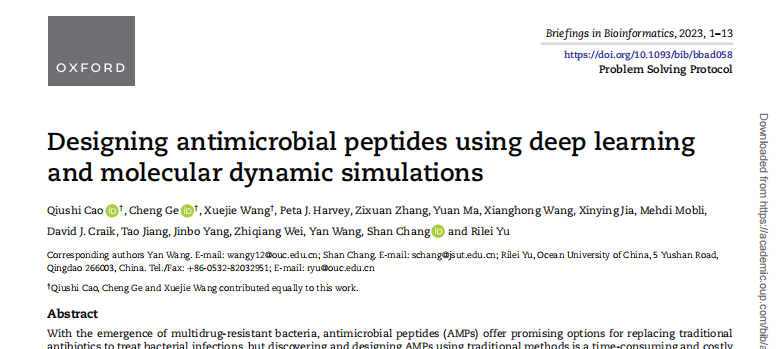
Designing antimicrobial peptides using deep learning and molecular dynamic simulations
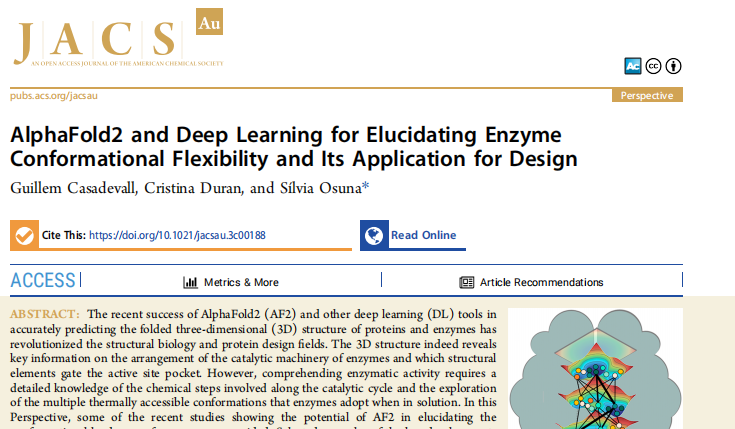
AlphaFold2 and Deep Learning for Elucidating Enzyme Conformational Flexibility and Its Application for Design
Designing antimicrobial peptides using deep learning and molecular dynamic simulations
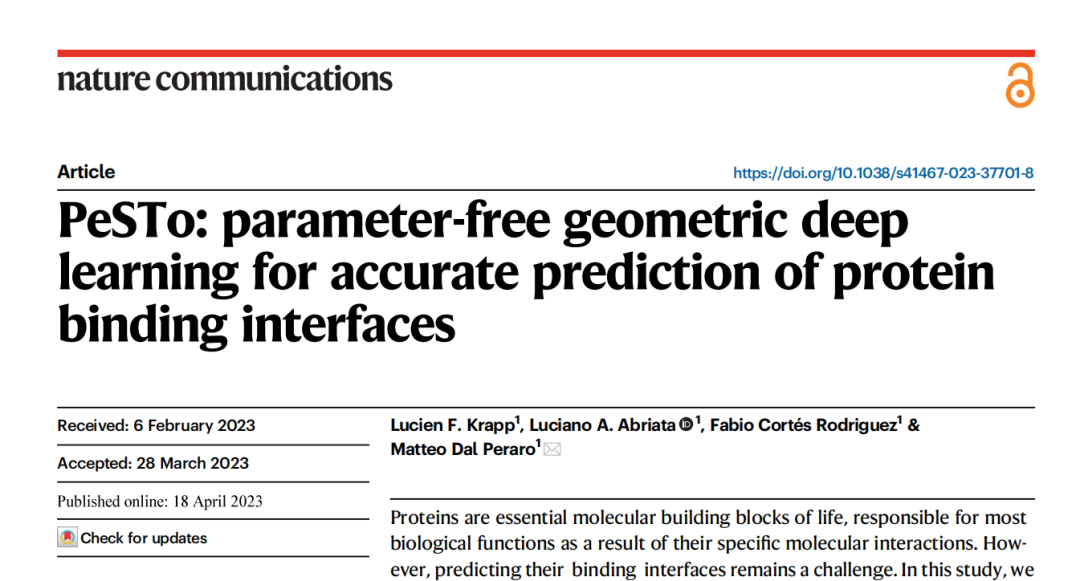
PeSTo: parameter-free geometric deep learning for accurate prediction of protein binding interfaces
Designing antimicrobial peptides using deep learning and molecular dynamic simulations
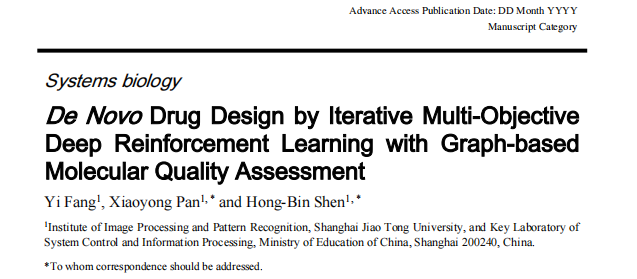
De Novo Drug Design by Iterative Multi-ObjectiveDeep ReinforcementLearning with Graph-based Molecular Quality Assessment
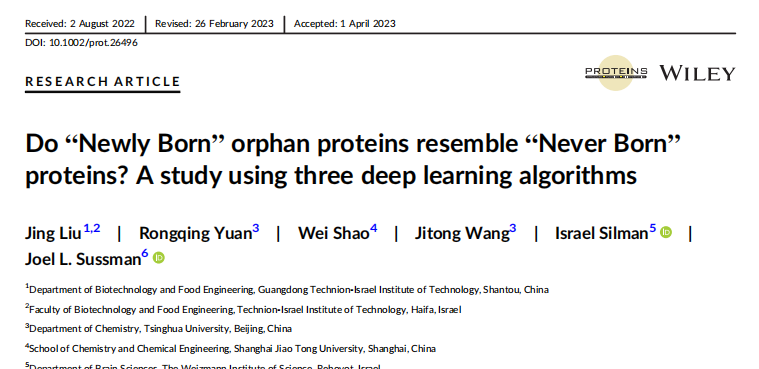
Do “Newly Born” orphan proteins resemble “Never Born” proteins? A study using three deep learning algorithms
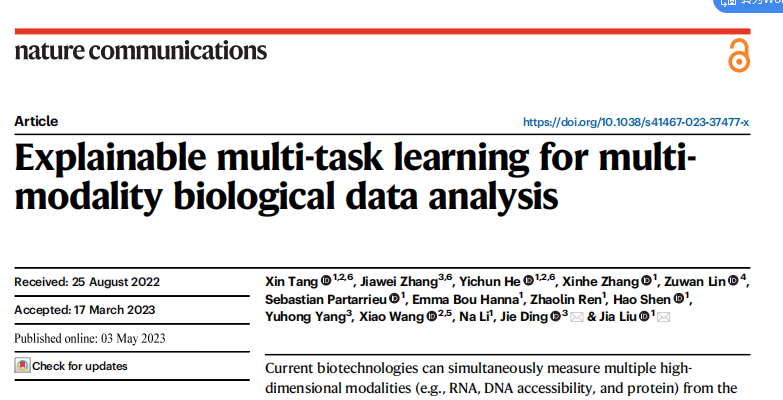
需要综合不同的分析任务(例如,多模态整合和跨模态分析)来综合理解这些数据,从而推断基因调控如何驱动生物多样性和功能。在这里,作者提出了联合网络,一个可解释的多任务深度神经网络,能够整合不同的任务来分析单细胞多模态数据。应用于各种多模态数据集(如Patch-seq、多组ATAC +基因表达和空间转录组学),与最先进的方法相比,联合网络在多模态集成和跨模态预测方面表现出了相似或更好的准确性。此外,通过
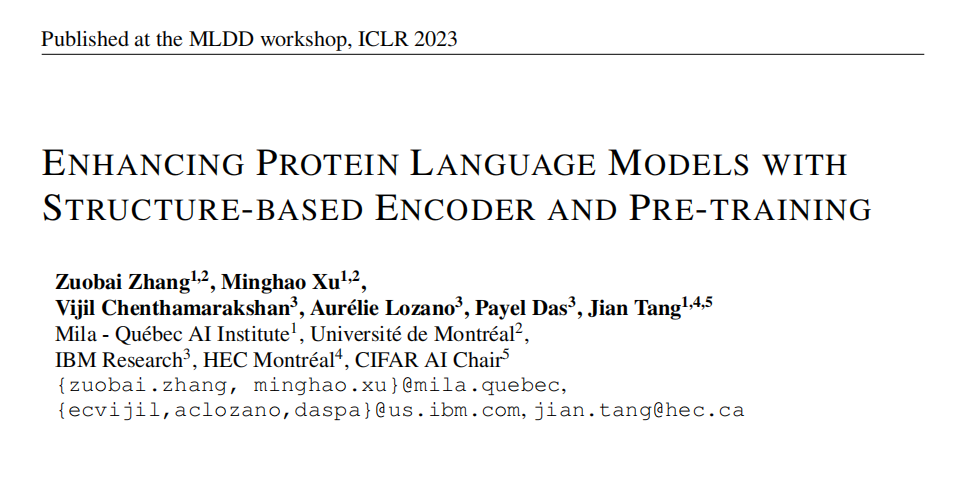
Enhancing Protein Language Models with Structure-based Encoder and Pre-training
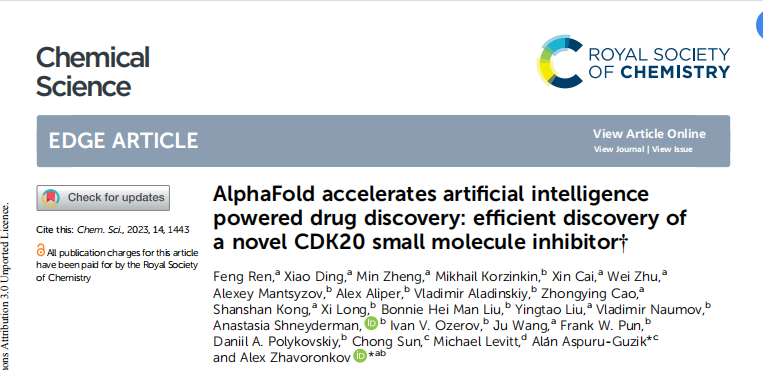
AlphaFold accelerates artificial intelligence powered drug discovery: efficient discovery of a novel CDK20 small molecule inhibitor