从 OpenClaw 到 PicoClaw 与 ZeroClaw:AI Agent Runtime 的轻量化革命
AI Agent Runtime 正朝着轻量化方向发展,以满足边缘计算和IoT设备的需求。传统Agent系统(如OpenClaw)功能完整但资源消耗大,依赖云服务器。新兴的轻量级方案如PicoClaw(Go实现)和ZeroClaw(Rust实现)采用单进程架构,内存占用低于10MB,启动时间不到1秒,适合嵌入式设备。这些运行时通过简化架构(核心模块包括LLM调用、任务规划、工具执行和本地记忆系统)
近年来,**AI Agent(智能体)**成为大模型应用的重要方向。与传统 ChatBot 不同,Agent 不仅能进行对话,还能:
- 自动规划任务
- 调用工具
- 访问记忆
- 执行复杂流程
典型的 Agent 系统甚至能够:
- 自动写代码
- 自动运维服务器
- 自动完成业务流程
随着 AI Agent 的发展,出现了一个新的问题:
Agent Runtime 的资源消耗过高。
例如很多 Agent 框架依赖:
- Python
- Node.js
- 向量数据库
- 微服务架构
这使得它们通常只能运行在:
- 云服务器
- 高性能工作站
但随着 边缘 AI 与 IoT 的发展,越来越多开发者希望:
在低成本设备甚至嵌入式系统上运行 AI Agent。
在这种背景下,一些新的 Agent Runtime 开始出现,例如:
- OpenClaw —— 功能完整的 AI Agent 平台(https://github.com/openclaw/openclaw)
- PicoClaw —— 轻量级 Go 实现 Agent Runtime(https://github.com/sipeed/picoclaw)
- ZeroClaw —— Rust 编写的极致轻量 Agent 系统(https://github.com/zeroclaw-labs/zeroclaw)
三者代表了 AI Agent 运行时架构的三种不同方向。
本文将从 架构设计、运行流程、源码实现、性能优化 等角度进行深入解析。
一、AI Agent Runtime 的基本架构
在理解这些项目之前,需要先理解 AI Agent Runtime 的基本结构。
一个典型 Agent 系统通常包含五个核心模块:
1️⃣ LLM Provider
负责调用大模型 API
2️⃣ Planner(任务规划器)
将用户任务拆解为子任务
3️⃣ Tool System(工具系统)
调用外部工具或 API
4️⃣ Memory(记忆系统)
保存上下文和历史信息
5️⃣ Communication Channel(通信接口)
与用户或系统交互
Agent系统整体架构
二、Agent运行流程
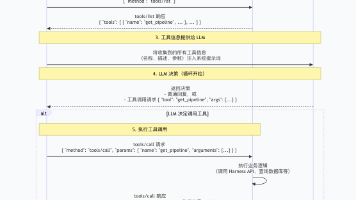
Agent 的运行通常是一个 循环决策系统。
完整流程如下:
运行步骤:
1️⃣ 用户输入请求
2️⃣ Agent 接收请求
3️⃣ LLM 进行推理
4️⃣ Planner 拆解任务
5️⃣ 选择工具执行
6️⃣ 更新记忆系统
7️⃣ 返回结果
这种模式通常被称为:
ReAct Agent(Reason + Act)
三、OpenClaw:完整型 Agent 平台
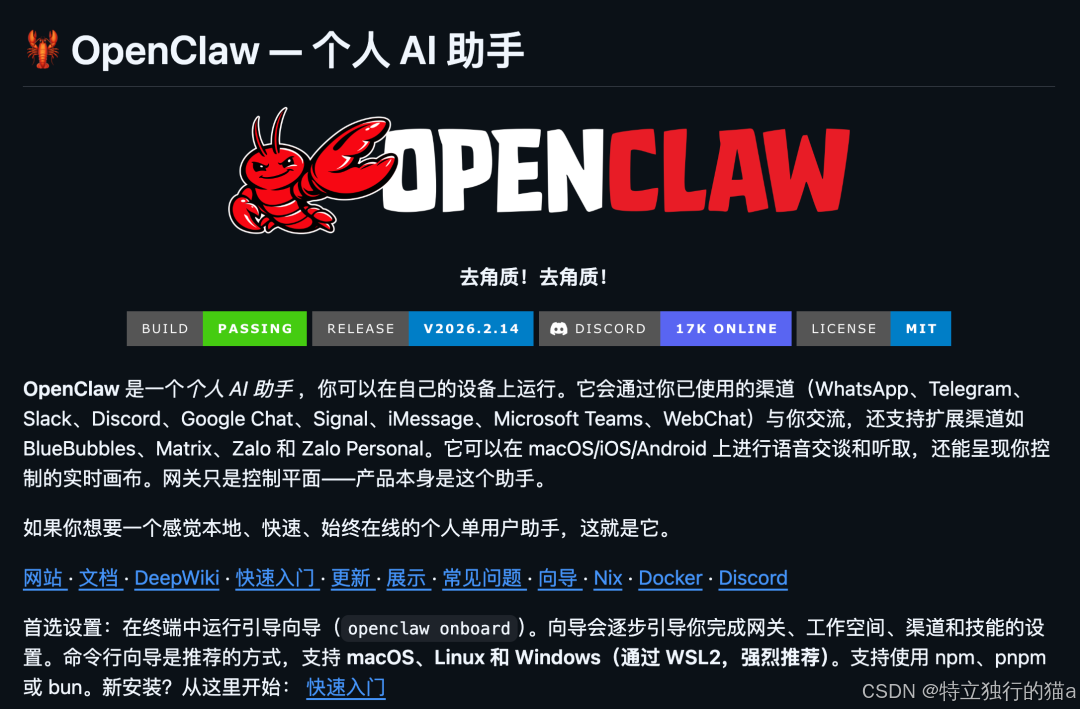
项目地址:https://github.com/openclaw/openclaw
项目定位
OpenClaw 是一个 完整的 AI Agent 平台。
其设计目标是:
构建可扩展的 AI 自动化系统。
适合:
- 企业 AI 平台
- 自动化工作流
- 多 Agent 系统
OpenClaw 架构
核心组件:
Agent Manager
负责:
- Agent生命周期
- 并发任务管理
- 调度
Tool Plugin System
OpenClaw工具系统支持:
- Web API
- Shell
- Python
- 数据库
插件化设计:
tool/
 ├── web_tool
 ├── shell_tool
 └── database_tool
Memory系统
通常依赖外部数据库:
例如:
- Chroma
- Milvus
- Pinecone
优点
OpenClaw优势:
- 功能完整
- 插件丰富
- 扩展能力强
缺点
资源消耗较大:
| 项目 | 数值 |
|---|---|
| 内存 | >1GB |
| 启动时间 | 数分钟 |
| 依赖 | Node.js |
不适合:
- IoT
- 边缘设备
四、PicoClaw:极简 Agent Runtime

项目地址:https://github.com/sipeed/picoclaw
项目定位
PicoClaw 由 Sipeed 发布,目标是:
在 $10 硬件上运行 AI Agent。
例如:
- RISC-V SBC
- Raspberry Pi
- ARM Linux
PicoClaw系统架构
PicoClaw使用 单进程架构:
核心特点:
- 单二进制
- 无依赖
- Go实现
PicoClaw源码架构解析
PicoClaw代码结构大致如下:
picoclaw/
 ├── cmd
 │   └── main.go
 ├── agent
 │   └── agent.go
 ├── provider
 │   └── llm.go
 ├── tool
 │   └── tool.go
 ├── memory
 │   └── memory.go
Agent核心代码逻辑
Agent主循环类似:
func (a *Agent) Run(input string) {

context := a.memory.Load()

response := a.llm.Generate(input, context)

tool := a.SelectTool(response)

result := tool.Execute()

a.memory.Store(result)

return result
}
核心思想:
Input -> LLM -> Tool -> Memory -> Output
Tool系统
工具接口类似:
type Tool interface {

Name() string

Execute(args string) string

}
开发者可以添加自定义工具:
weather_tool
shell_tool
api_tool
Memory实现
PicoClaw Memory 通常是:
- 本地 JSON
- 或 SQLite
简单实现:
type Memory struct {

History []Message

}
PicoClaw性能
典型运行指标:
| 指标 | 数值 |
|---|---|
| 内存 | <10MB |
| 启动 | <1秒 |
| 二进制 | 8MB |
相比传统 Agent:
减少 99%资源消耗。
五、ZeroClaw:极致性能 Agent Runtime
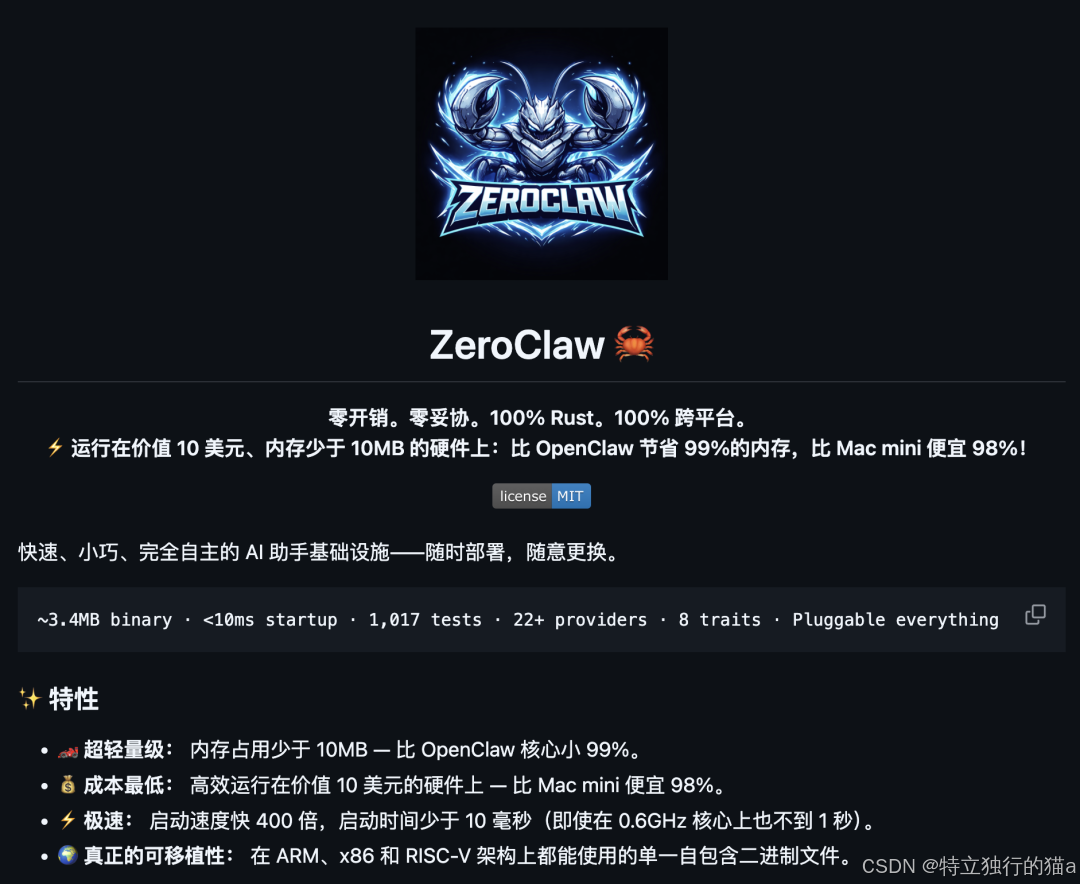
项目地址:https://github.com/zeroclaw-labs/zeroclaw
ZeroClaw 的设计目标更激进:
构建零依赖 AI Agent Runtime。
核心理念:
- 极致性能
- 模块化
- 安全优先
ZeroClaw架构
ZeroClaw采用 trait-based architecture。
所有模块都是 trait。
ZeroClaw源码结构解析
ZeroClaw源码结构类似:
zeroclaw/

 ├── agent
 │   └── agent.rs

 ├── provider
 │   └── provider.rs

 ├── tool
 │   └── tool.rs

 ├── memory
 │   └── memory.rs

 ├── channel
 │   └── channel.rs
Trait接口设计
ZeroClaw核心 trait:
pub trait Tool {

fn name(&self) -> &str;

fn execute(&self, input: &str) -> String;

}
Memory trait:
pub trait Memory {

fn load(&self) -> Vec<Message>;

fn store(&mut self, msg: Message);

}
Provider trait:
pub trait Provider {

fn generate(&self, prompt: &str) -> String;

}
这种设计的优势:
- 模块可替换
- 组件可扩展
Agent运行代码
Agent核心逻辑:
pub fn run(&mut self, input: &str) -> String {

let context = self.memory.load();

let response = self.provider.generate(input);

let result = self.tool.execute(&response);

self.memory.store(result.clone());

result
}
逻辑与 PicoClaw 类似,但:
- Rust性能更高
- 内存更安全
ZeroClaw性能
典型指标:
| 指标 | 数值 |
|---|---|
| 内存 | <5MB |
| 启动 | <10ms |
| 二进制 | ~3MB |
接近 嵌入式软件级别。
六、三种架构对比
| 项目 | OpenClaw | PicoClaw | ZeroClaw |
|---|---|---|---|
| 语言 | TypeScript | Go | Rust |
| 运行时 | Node.js | 无 | 无 |
| 内存 | >1GB | <10MB | <5MB |
| 启动 | 分钟级 | 秒级 | 毫秒级 |
| 架构 | 微服务 | 单进程 | trait模块 |
七、AI Agent Runtime 的未来趋势
从这些项目可以看到明显趋势:
1 轻量化
Agent 将越来越轻量。
2 边缘化
未来 Agent 会运行在:
- 路由器
- IoT设备
- SBC
3 本地化
越来越多 Agent 会:
- 本地运行
- 本地记忆
减少云依赖。
八、总结
OpenClaw、PicoClaw 与 ZeroClaw 代表了 AI Agent Runtime 的三种不同路线:
| 类型 | 代表 |
|---|---|
| 完整平台 | OpenClaw |
| 轻量Runtime | PicoClaw |
| 极致性能 | ZeroClaw |
随着 边缘 AI 的发展,未来很可能出现:
每个设备都有自己的 AI Agent。Agent Runtime 也会像 Linux daemon 一样普遍存在。
参考链接
OpenClaw 还没整明白,又来一个 ZeroClaw 开源神器。
ZeroClaw 与 OpenClaw 深度实测:安装部署、功能体验、资源配置与选型全指南
部署zeroclaw+qwen+dingtalk+skills
小龙虾开发者社区是 CSDN 旗下专注 OpenClaw 生态的官方阵地,聚焦技能开发、插件实践与部署教程,为开发者提供可直接落地的方案、工具与交流平台,助力高效构建与落地 AI 应用
更多推荐

 11
11 0
0- 0


 已为社区贡献6条内容

所有评论(0)