
C++ 容器适配器深度解析:stack / queue / priority_queue 底层原理、deque 与 vector/list 性能对比及仿函数实现
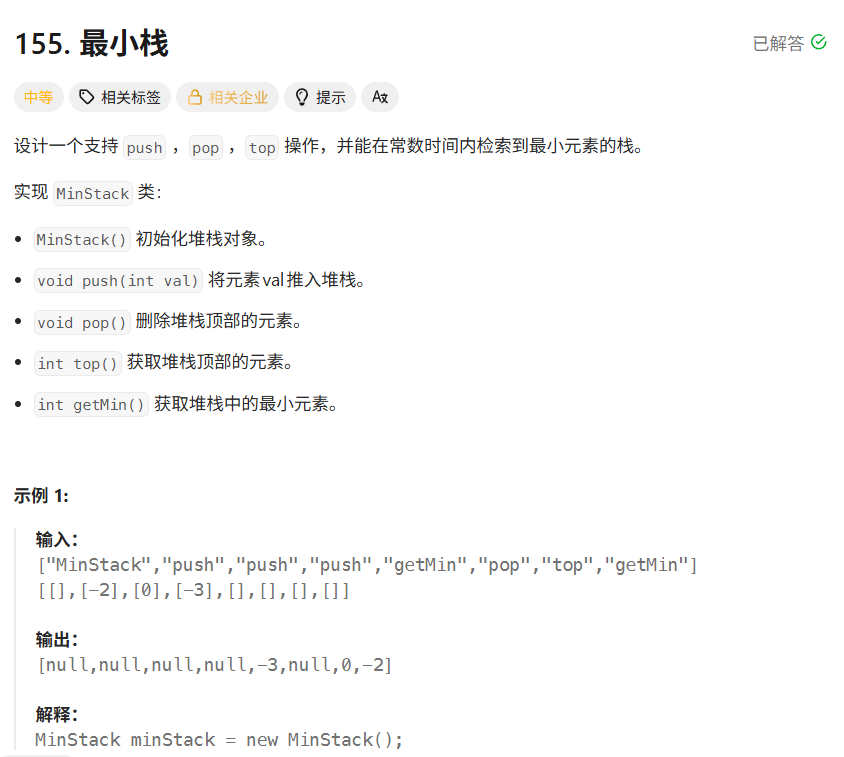
class MinStack {
public:
    MinStack() {

    }

    void push(int val) {
        _st.push(val);
        if(_min_st.empty()||val<=_min_st.top())
        {
            _min_st.push(val);
        }
    }

    void pop() {
        if(_min_st.top()==_st.top())           //1
        {
            _min_st.pop();                    //注意先写1再写2,如果先写1会导致top发生变化,比较的时候就不准了
        }
         _st.pop();                             //2
    }

    int top() {
        return _st.top();
    }

    int getMin() {
        return _min_st.top();
    }
    private:
    std::stack<int> _st;
    std::stack<int> _min_st;
};

/**
 * Your MinStack object will be instantiated and called as such:
 * MinStack* obj = new MinStack();
 * obj->push(val);
 * obj->pop();
 * int param_3 = obj->top();
 * int param_4 = obj->getMin();
 */
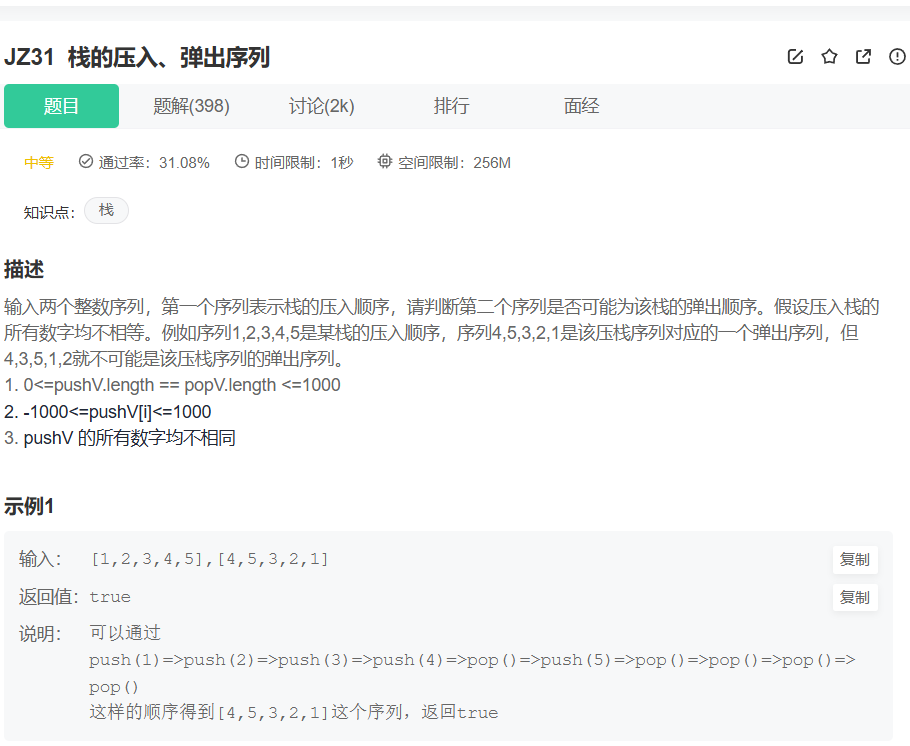
思路: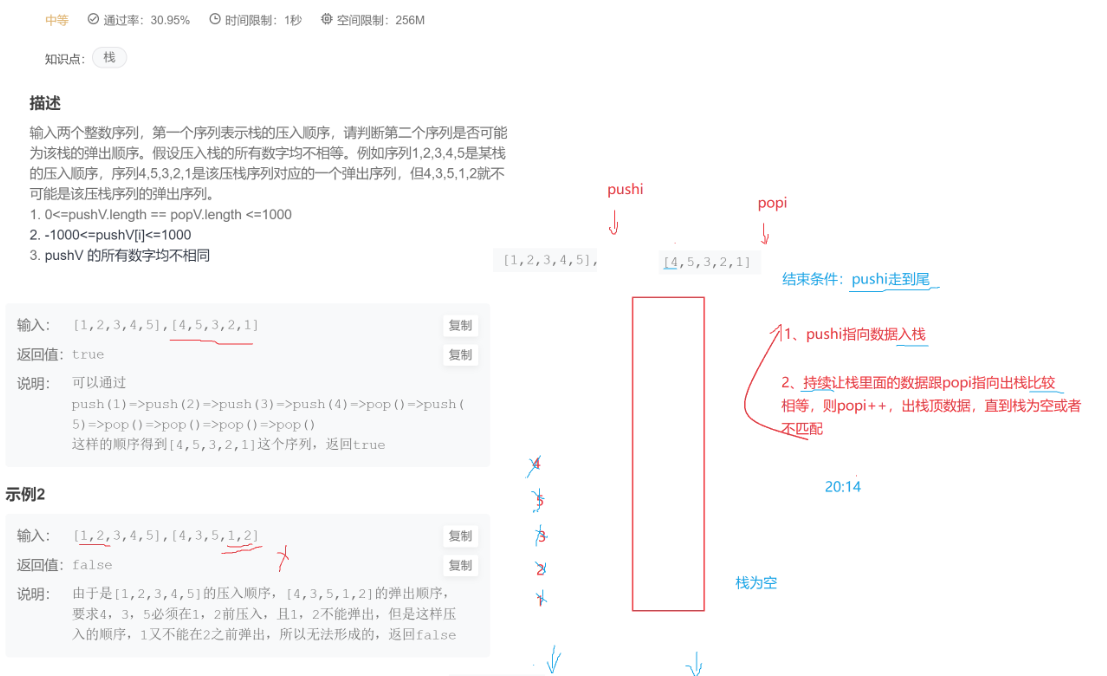
class Solution {
public:
    /**
     * 代码中的类名、方法名、参数名已经指定,请勿修改,直接返回方法规定的值即可
     *
     *
     * @param pushV int整型vector
     * @param popV int整型vector
     * @return bool布尔型
     */
    bool IsPopOrder(vector<int>& pushV, vector<int>& popV) {
        // write code here
        stack<int> st;
        size_t pushi = 0,popi = 0;
        while(pushi<pushV.size())
        {
            st.push(pushV[pushi++]);
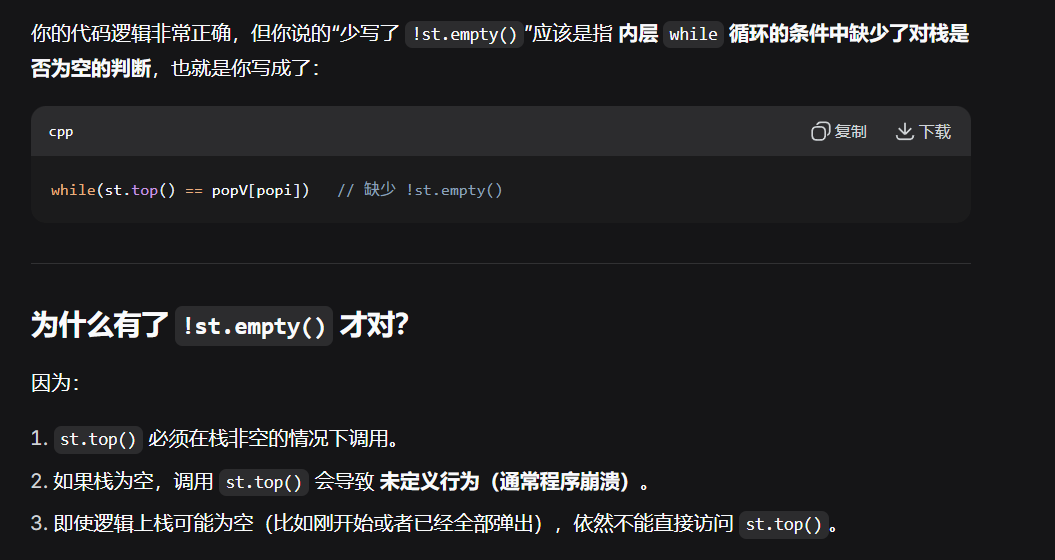
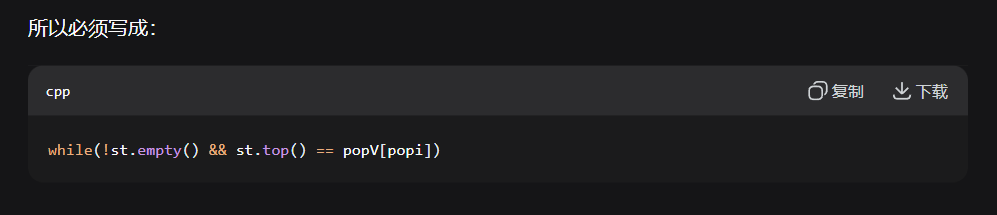
            while(!st.empty()&&st.top()==popV[popi])    //st.top() 必须在栈非空的情况下调用。
            {
                popi++;
                st.pop();
            }
        }
        return st.empty();
    }
};
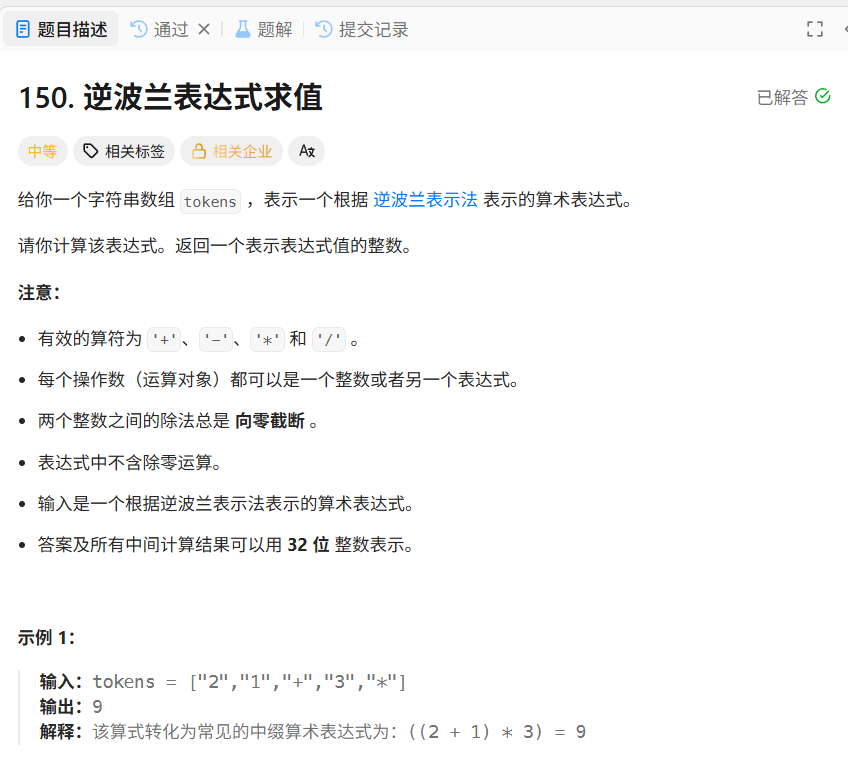
思路: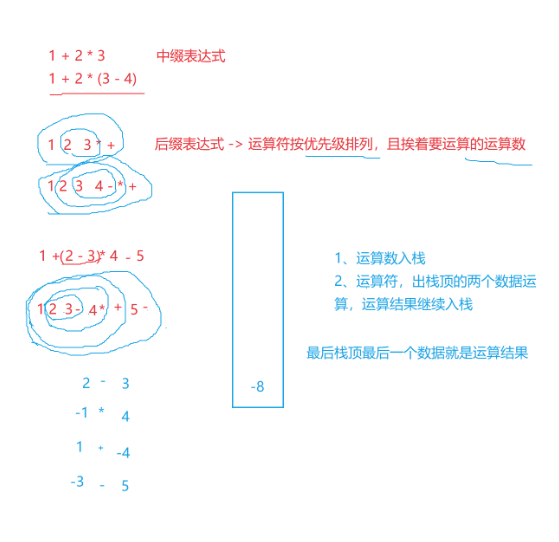
class Solution {
public:
    int evalRPN(vector<string>& tokens) {
        stack<int> s;
        for(auto& e:tokens)    //e 的类型是 std::string&(字符串引用)
        {
            if(e=="+"||e=="-"||e=="*"||e=="/")
            {
                int right=s.top();
                s.pop();
                int left = s.top();
                s.pop();
                switch(e[0])    //switch括号里面必须加整形,字符也属于整形,e 是 string&(引用),e[0]代表的是字符
                {
                    case '+':    //‘+’代表的是字符+,这里面也是必须加整形
                    s.push(left+right);
                    break;
                    case '-':
                    s.push(left-right);
                    break;
                    case '*':
                    s.push(left*right);
                    break;
                    case '/':
                    s.push(left/right);
                    break;
                    default:
                    break;
                }
            }
            else
            {
                s.push(stoi(e));
            }
        }
        return s.top();
    }
};
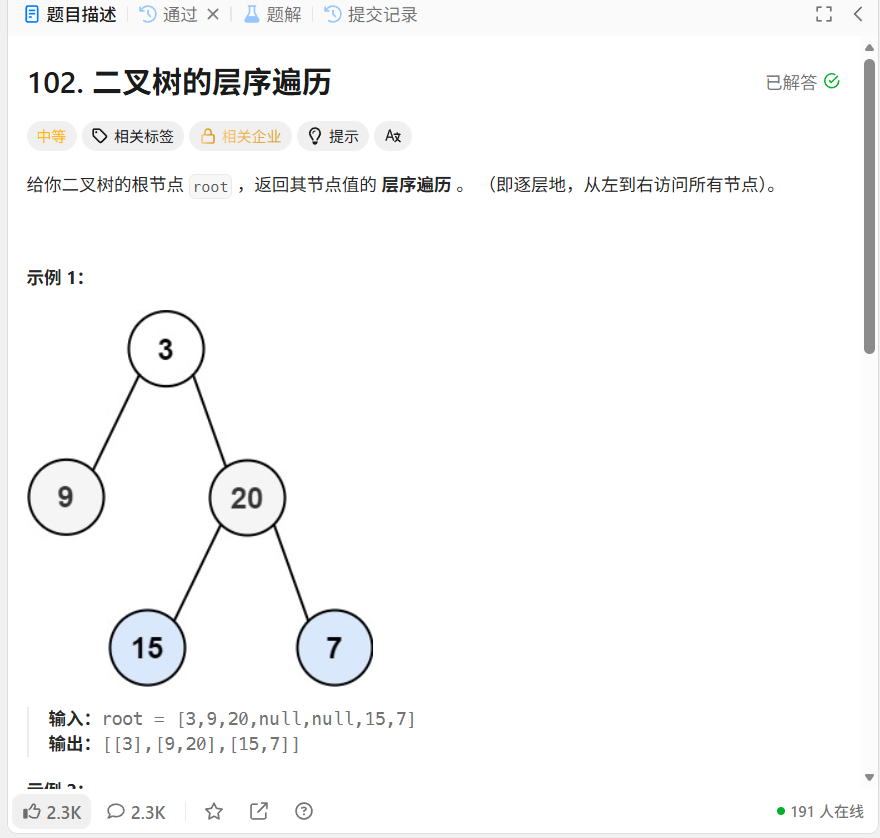
思路:
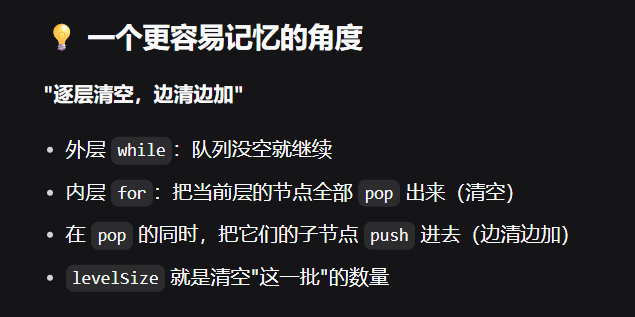
创建一个队列,把根节点插入队列,定义size为1,先定义一个vector<vector> vv , while(size–)循环,再定义一个vector v ,我们创建一个TreeNode* front拷贝旧的队列头部 q.front(),然后就可以放心出队列头部也就是q.pop(),此时判断front有没有左右节点,然后 v.push_back(front->val) ,如果有就把左右节点插入队列,此时我们就考虑如何结束,这是我们就会想到当队列为空的时候就结束循环,我是怎么想到的呢,因为有出有入,一旦没有入也就是没有左右节点入队列,那么只有出,我们的队列就会走向空,此时就循环结束,所以我们在最外层加上while(!q.empty()),回到之前,此时第一次的size已经走到0了,也就意味着当前层要插进数据到v已经结束———— vv.push_back(v),此时队列里面可能还有左右节点插进去的,所以我们就可以刷新新的size,也就是size = q.size(),此时再次进入while(size–)这个循环,开启第二轮或者说是第二层插入到v,然后又把v给到vv,也就是vv.push_back(v),直到q队列为空的时候停止,最后返回vv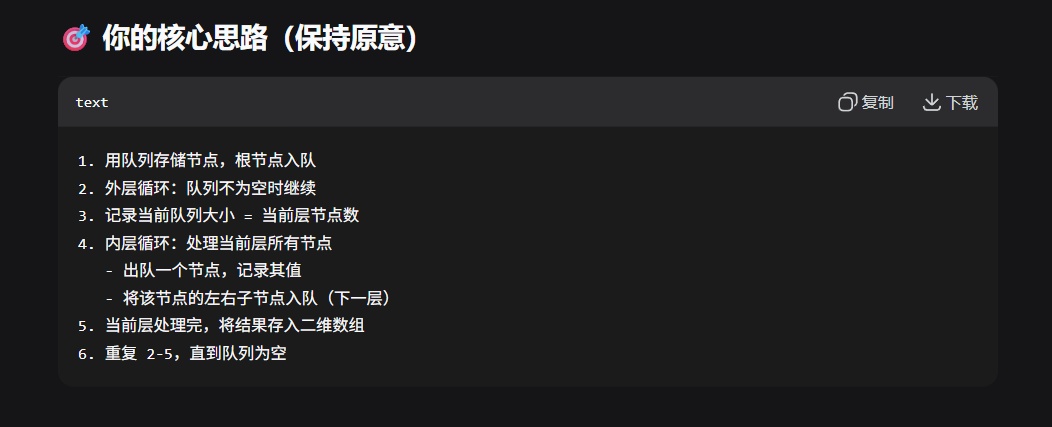
栈可以用vector,也可以用List实现,但是推荐用vector,为什么呢?这就要从数组跟链表的优缺点讲起,因为栈只在同一端(栈顶)插入和删除,数组的连续内存和CPU缓存友好,性能极高。唯一缺点是可能会涉及动态扩容。链表实现(链式栈):也可以,但每个节点需要额外存储指针,内存占用更大,实际工程中一般只在“需要极高分摊性能”或“语言/环境限制”时才用。
队列不“绝对推荐 list”。链表缓存不友好;高性能工程实现通常用循环数组。
普通数组的错误用法:
如果直接用 vector 并在出队时调用 pop(begin()) 或 erase,会导致后面所有元素向前移动,出队操作变为 O(n),性能很差。
这是你提到的“低效情况”,理解完全正确。
高性能方案(实际工程中最常用):
使用 循环数组(底层依然是 vector,但维护 head 和 tail 指针),
入队和出队都是 O(1),且内存连续、CPU 缓存友好,没有链表指针开销。
这是大多数高性能队列(如 Java ArrayDeque)的底层思想。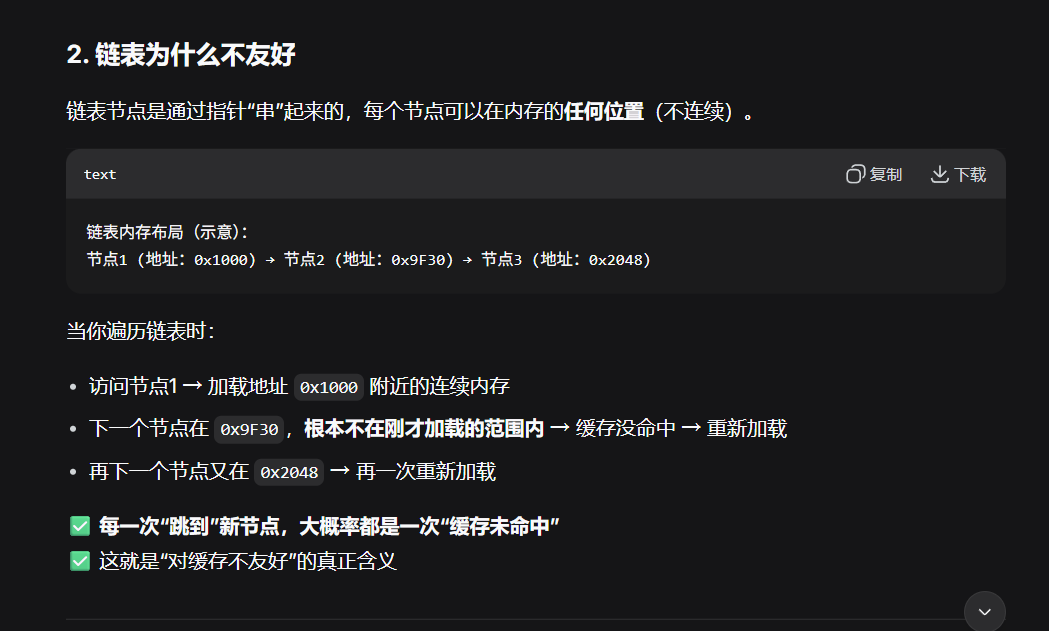
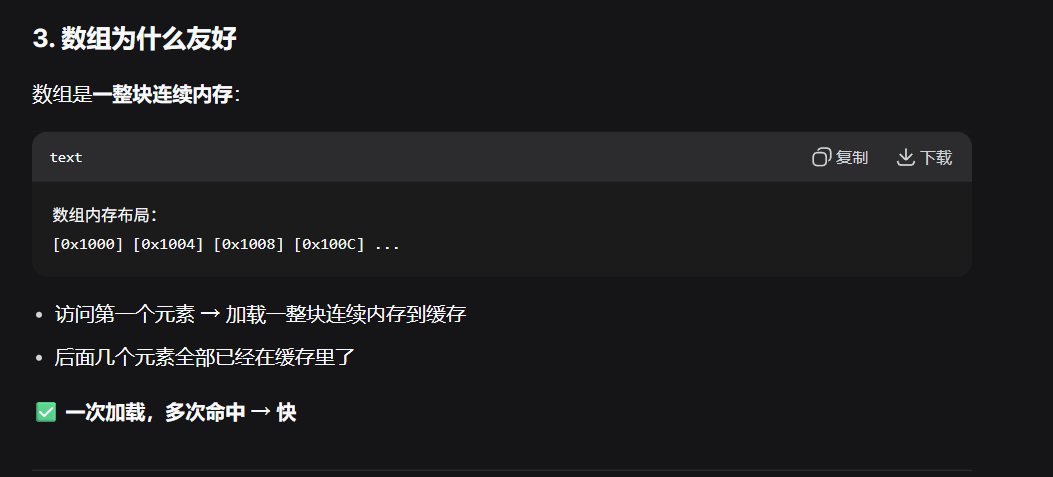
总结:链表对 CPU 缓存不友好,是因为节点内存不连续,导致缓存频繁失效;数组内存连续,一次加载可多次命中,因此缓存友好。
是因为CPU太快了,内存太慢了,所以中间就需要一个缓存,CPU访问内存不是直接访问,而是内存先读入缓存,然后CPU直接去缓存中取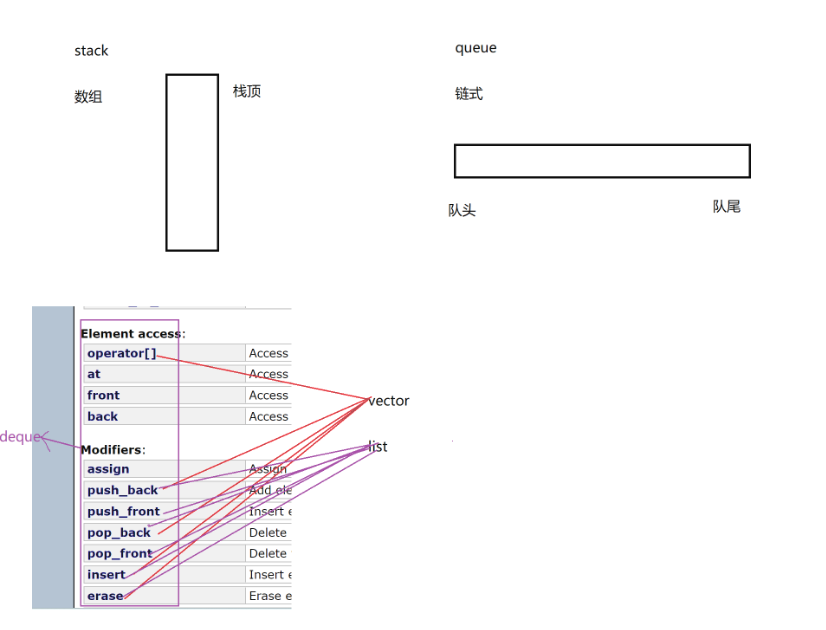
_stack.h
#pragma once
#include<vector>
#include<list>
#include<deque>

namespace shasha
{
	template<class T,class Container = deque<T>>
	class stack
	{
	public:
		void push(const T& x)
		{
			_con.push_back(x);
		}

		void pop()
		{
			_con.pop_back();
		}

		size_t size()const
		{
			return _con.size();
		}

		bool empty()const
		{
			return _con.empty();
		}

		T& top()
		{
			return _con.back();
		}

		const T& top()const
		{
			return _con.back();
		}

	private:
		Container _con;
	};
}
_queue.h
#include<list>
#include<deque>

namespace shasha
{
	template<class T,class Container = deque<T>>
	class queue
	{
	public:
		void push(const T& x)
		{
			_con.push_back(x);
		}

		void pop()
		{
			_con.pop_front();
		}

		bool empty()const
		{
			return _con.empty();
		}

		size_t size()const
		{
			return _con.size();
		}

		T& front()
		{
			return _con.front();
		}

		const T& front()const
		{
			return _con.front();
		}

		T& back()
		{
			return _con.back();
		}

		const T& back()const
		{
			return _con.back();
		}


	private:
		Container _con;
	};

}
test.cpp
#include<iostream>
#include<queue>
#include<stack>
#include<algorithm>
using namespace std;

#include"queue.h"
#include"stack.h"
void test_stack()
{
	shasha::stack<int, list<int>> s;
	s.push(1);
	s.push(2);

	cout << s.top() << endl;
	s.pop();

	s.push(3);
	s.push(4);


	while (!s.empty())
	{
		cout << s.top() << endl;
		s.pop();
	}
	cout << endl;

}

void test_queue()
{
	shasha::queue<int,list<int>> q;
	q.push(1);
	q.push(2);

	cout << q.front() << endl;
	q.pop();

	q.push(3);
	q.push(4);
	while (!q.empty())
	{
		cout << q.front() << endl;
		q.pop();
	}
	cout << endl;
}


//测试vector和deque的排序时间
void test_op1()
{
	srand(time(0));
	const int N = 1000000;

	deque<int> dq;
	vector<int> v;

	for (int i = 0; i < N; ++i)
	{
		auto e = rand() + i;
		v.push_back(e);
		dq.push_back(e);
	}

	int begin1 = clock();
	sort(v.begin(), v.end());
	int end1 = clock();

	int begin2 = clock();
	sort(dq.begin(), dq.end());
	int end2 = clock();

	printf("vector:%d\n", end1 - begin1);
	printf("deque:%d\n", end2 - begin2);
}

void test_op2()
{
	srand(time(0));
	const int N = 1000000;

	deque<int> dq1;
	deque<int> dq2;

	for (int i = 0; i < N; ++i)
	{
		auto e = rand() + i;
		dq1.push_back(e);
		dq2.push_back(e);
	}

	int begin1 = clock();
	sort(dq1.begin(), dq1.end(), less<int>());
	int end1 = clock();

	int begin2 = clock();
	// vector
	vector<int> v(dq2.begin(), dq2.end());
	sort(v.begin(), v.end());
	dq2.assign(v.begin(), v.end());
	int end2 = clock();

	printf("deque sort:%d\n", end1 - begin1);
	printf("deque copy vector sort, copy back deque:%d\n", end2 - begin2);
}


int main()
{
	test_stack();
	test_queue();
	test_op1();
	test_op2();
	return 0;
}
数组:
/优点:
1.下标随机访问快,尾插尾删效率高
2.CPU高速缓存命中率高
/缺点:
3. 头部或者中间插入删除效率低
4. 插入空间不够要扩容,扩容有一定性能消耗,若果是倍数级扩容可能存在一定的空间浪费
链表:
/优点:
1.任意位置O(1)的插入删除
2.按需申请释放内存
/缺点:
3.不支持下标随机访问
4.CPU高速缓存命中率低,还存在缓存污染
下面来看看deque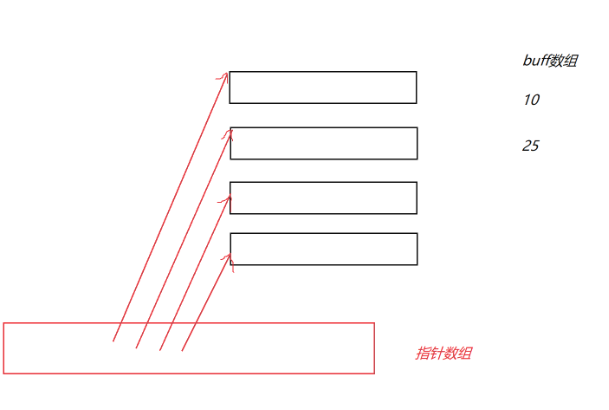
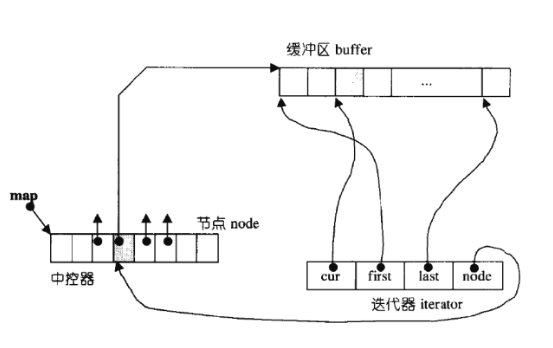
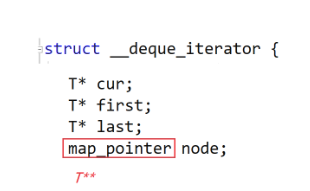
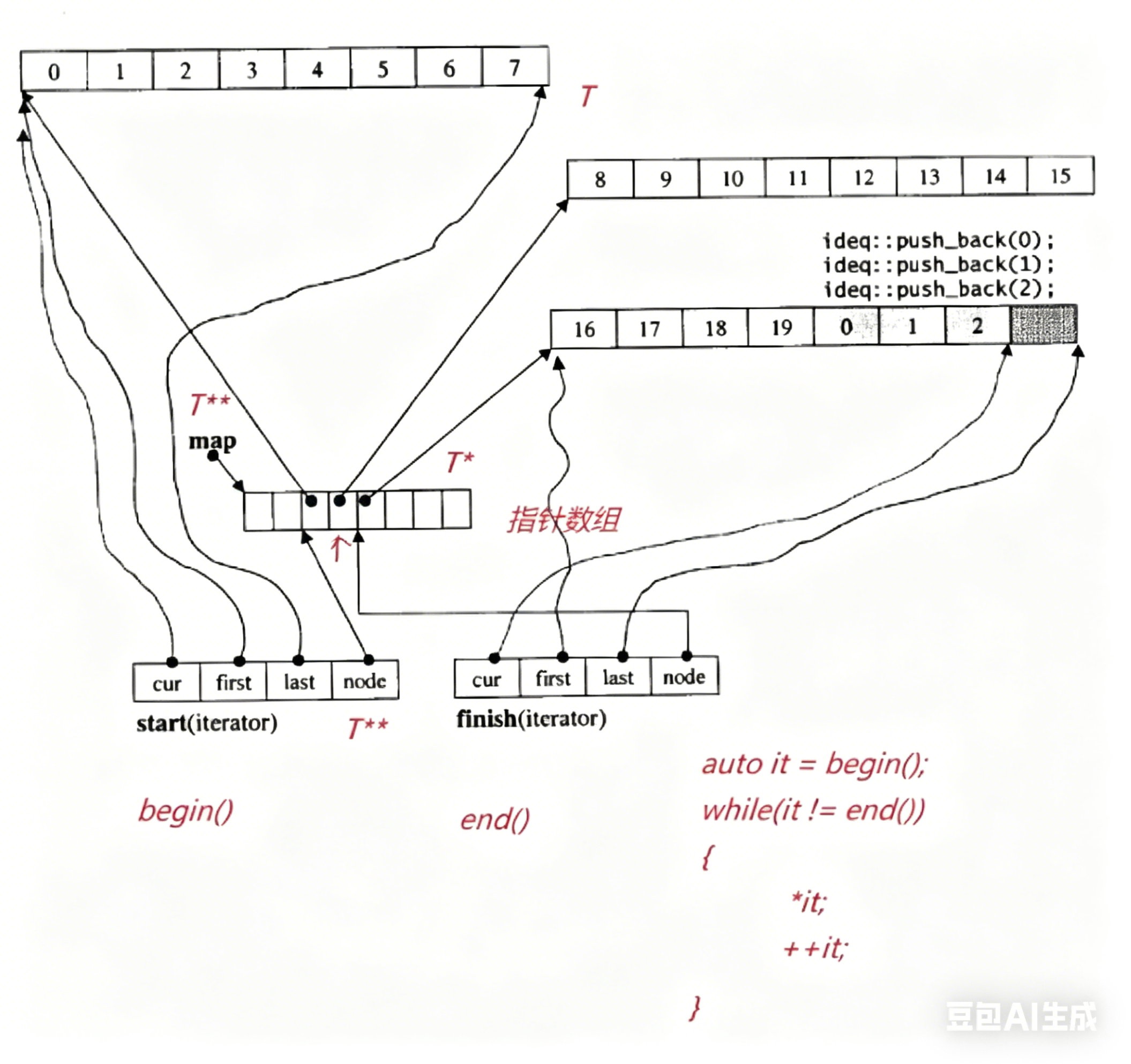
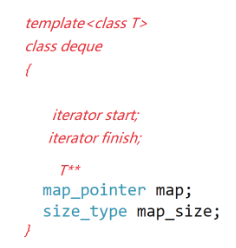
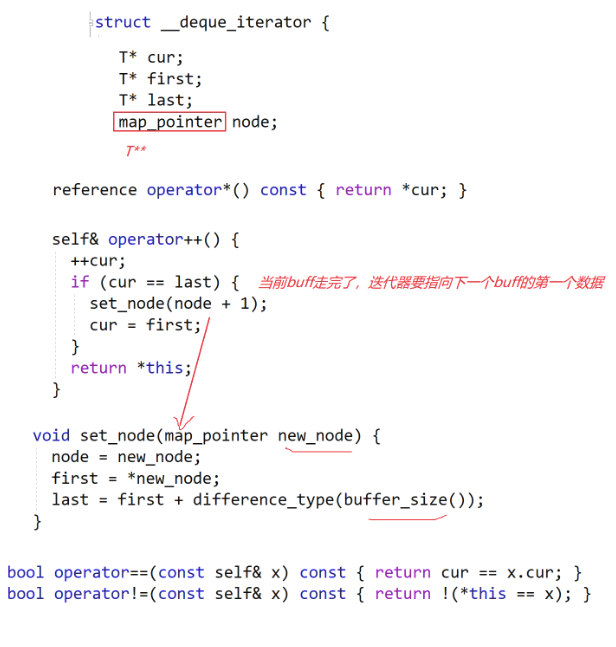
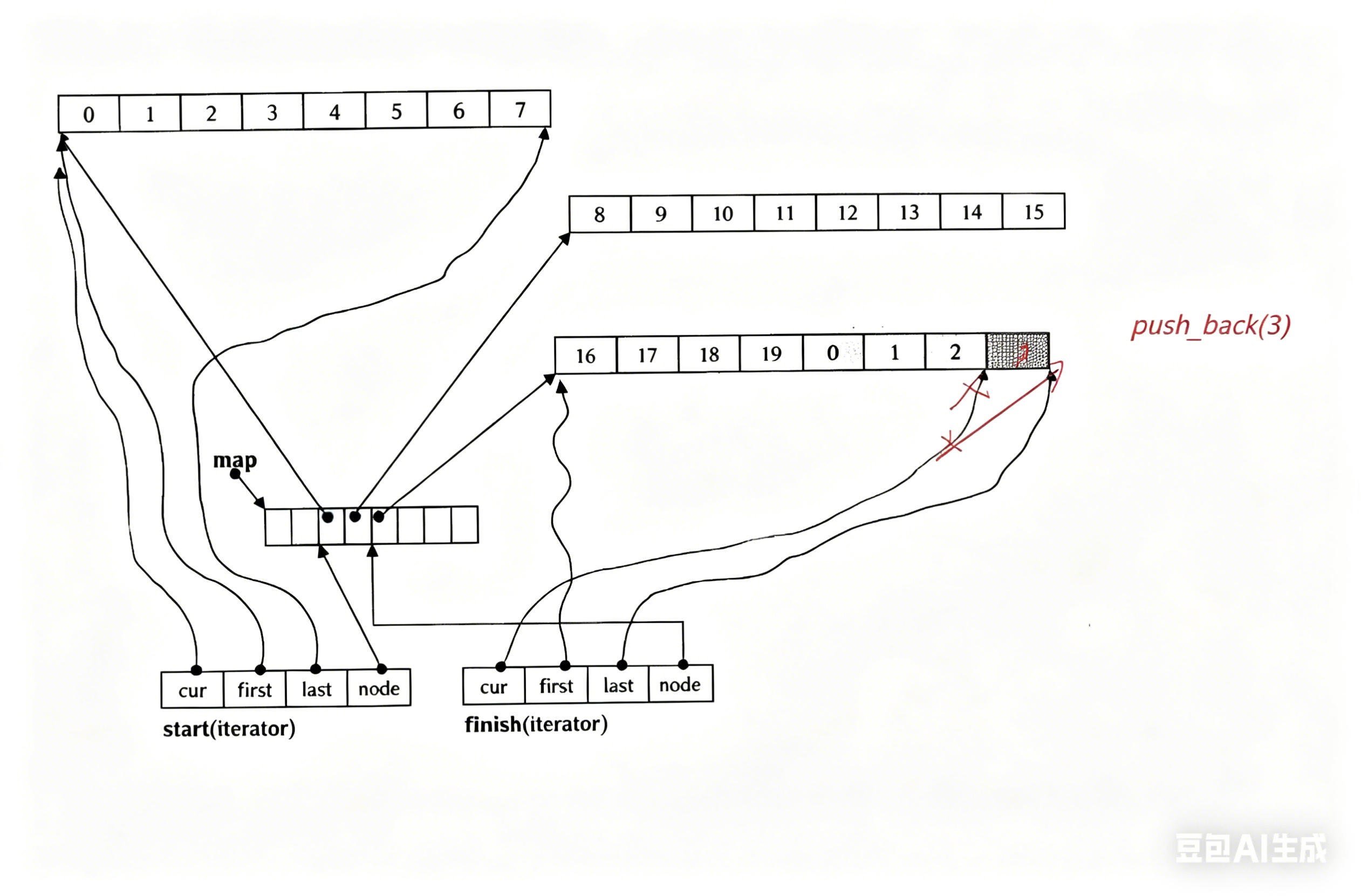
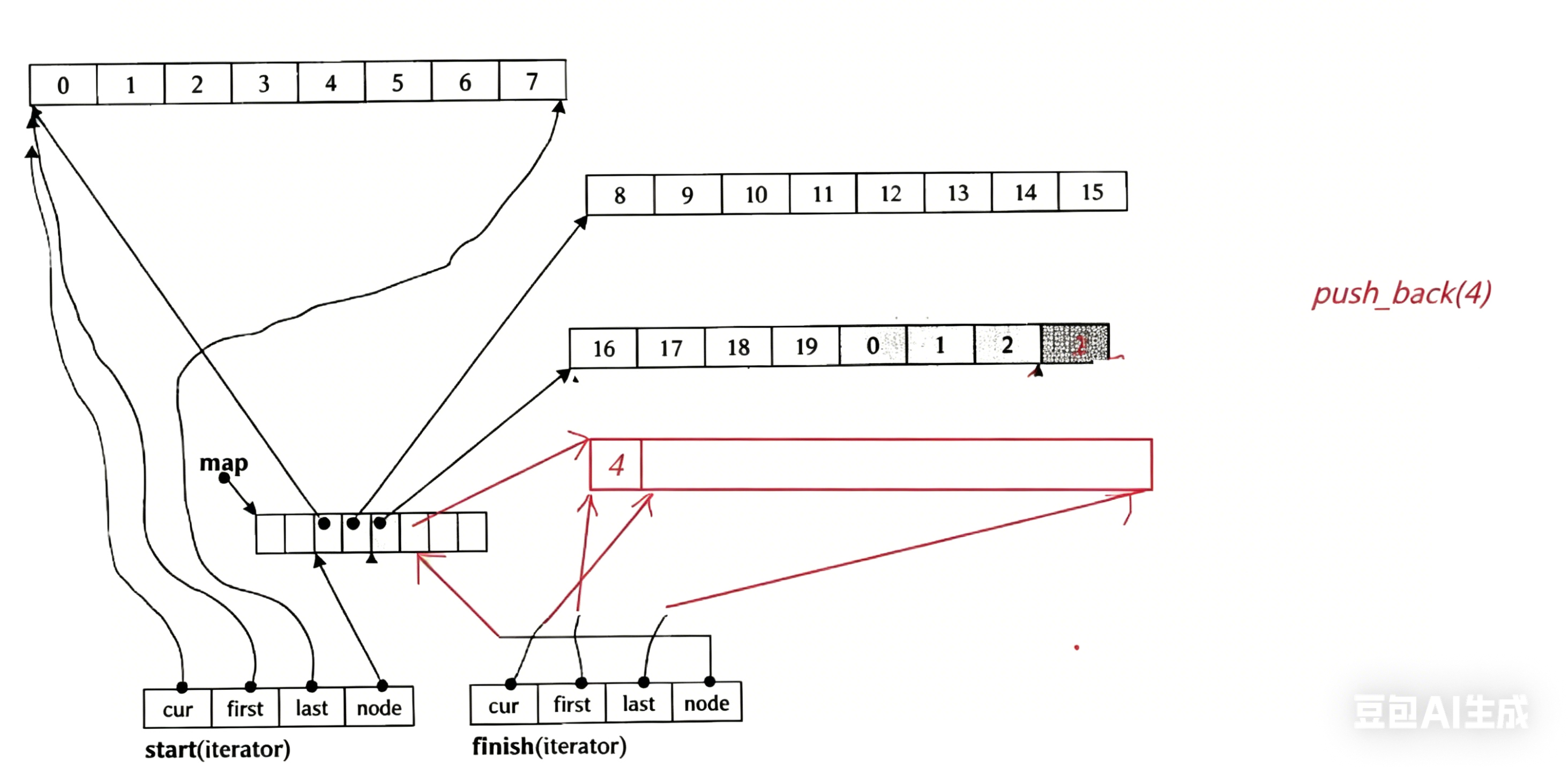
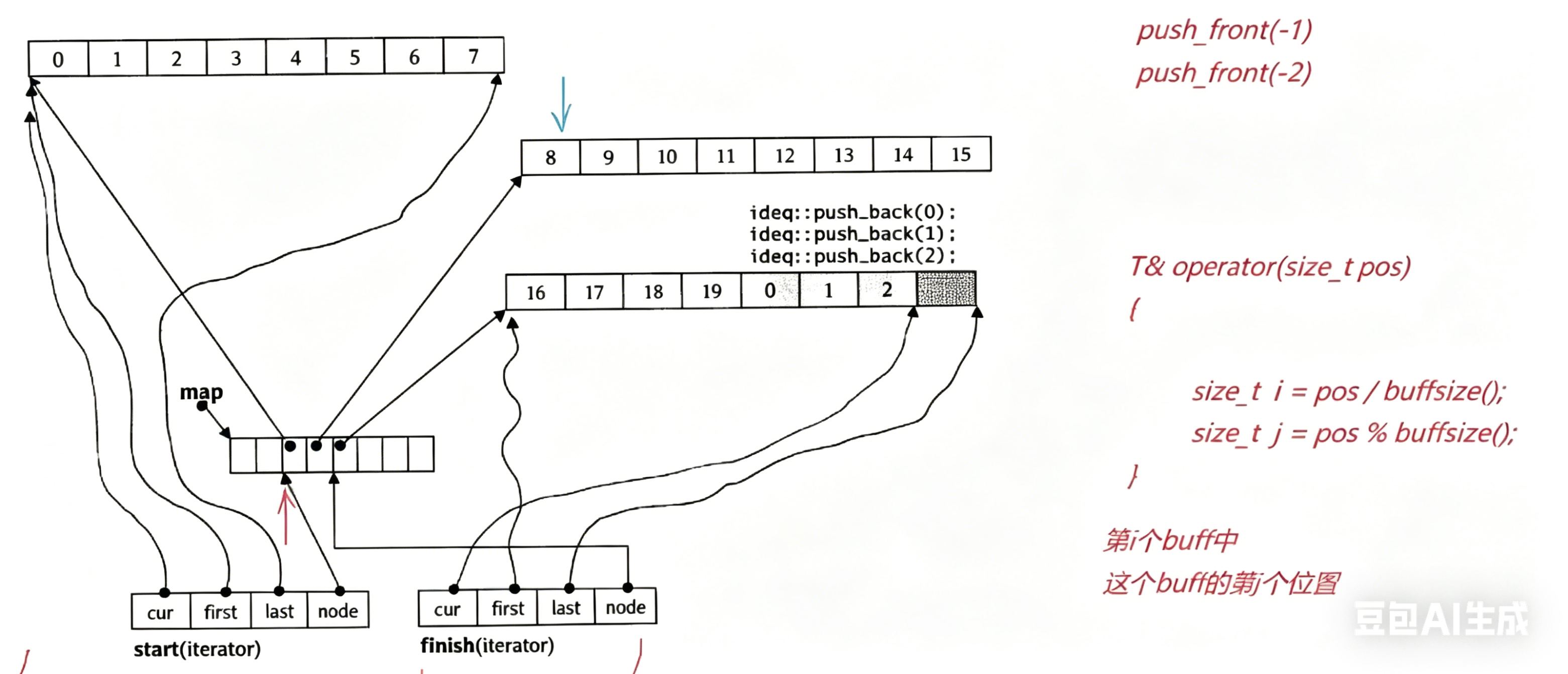
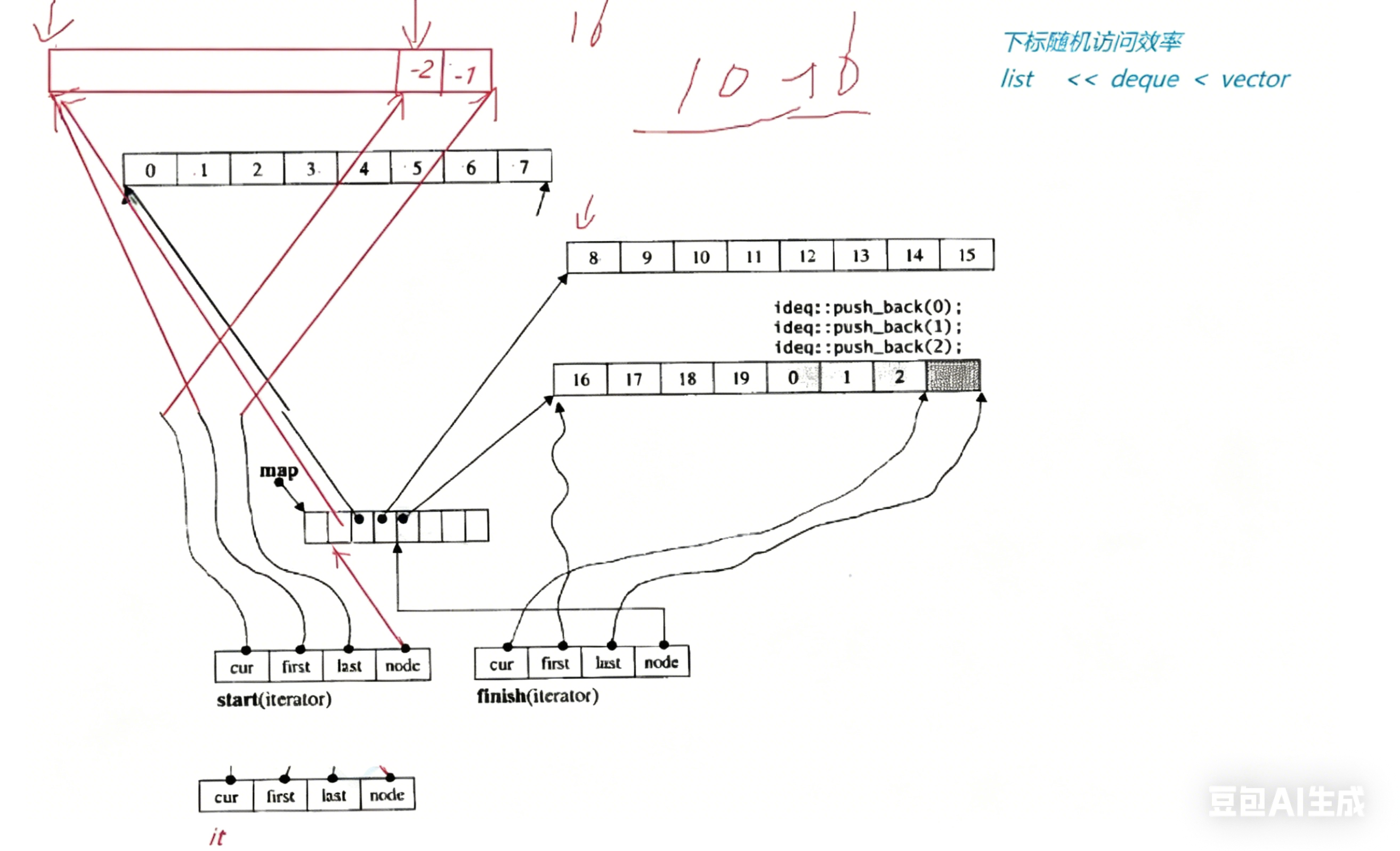
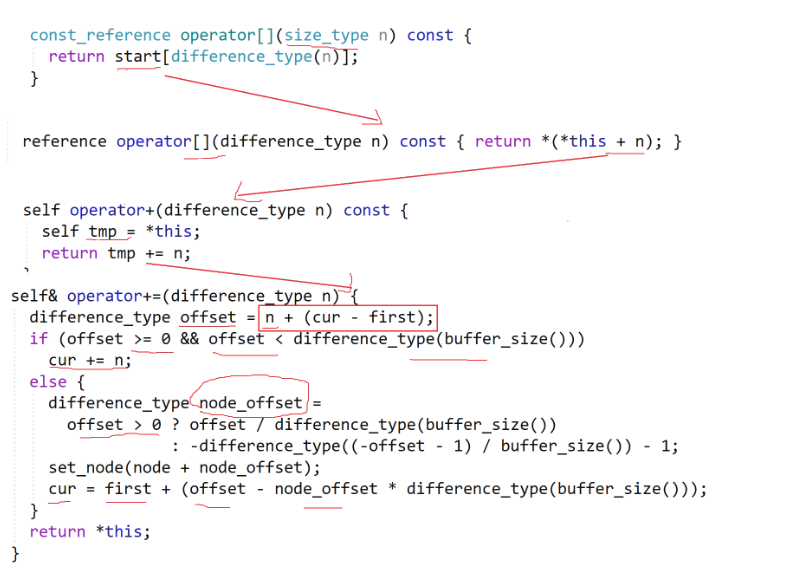
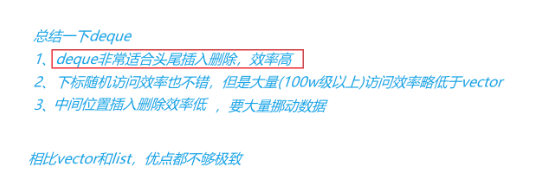
上面涉及适配器,下面我将描述关于仿函数
首先,我们先讲优先队列:
priority_queue
他的头文件跟queue一样都是#include<queue>
1.优先队列是一种容器适配器,根据严格的弱排序标准,它的第一个元素总是它所包含的元素中最大的
2. 此上下文类似于堆,在堆中可以随时插入元素,并且只能检索最大堆元素(优先队列中位于顶部的元素)
3. 优先队列被实现为容器适配器,容器适配器即将特定容器类封装作为其底层容器类,queue提供一组特定的成员函数来访问其元素。元素从特定容器的“尾部”弹出,其称为优先队列的顶部。
4.底层容器可以是任何标准容器类模板,也可以是其他特定设计的容器类。容器应该可以通过随机访问迭代器访问,并支持以下操作empty():检测容器是否为空size():返回容器中有效元素个数front():返回容器中第一个元素的引用push_back():在容器尾部插入元素pop_back():删除容器尾部元素
因为删除尾部,然后再向上调整建堆,要头删的时候,先把头部跟尾部交换,删除头部,然后再用向下调整算法建堆
5. 标准容器类vector和deque满足这些需求。默认情况下,如果没有为特定的priority_queue类实例化指定容器类,则使用vector。
6. 需要支持随机访问迭代器,以便始终在内部保持堆结构。容器适配器通过在需要时自动调用算法函数make_heap、push_heap和pop_heap来自动完成此操作。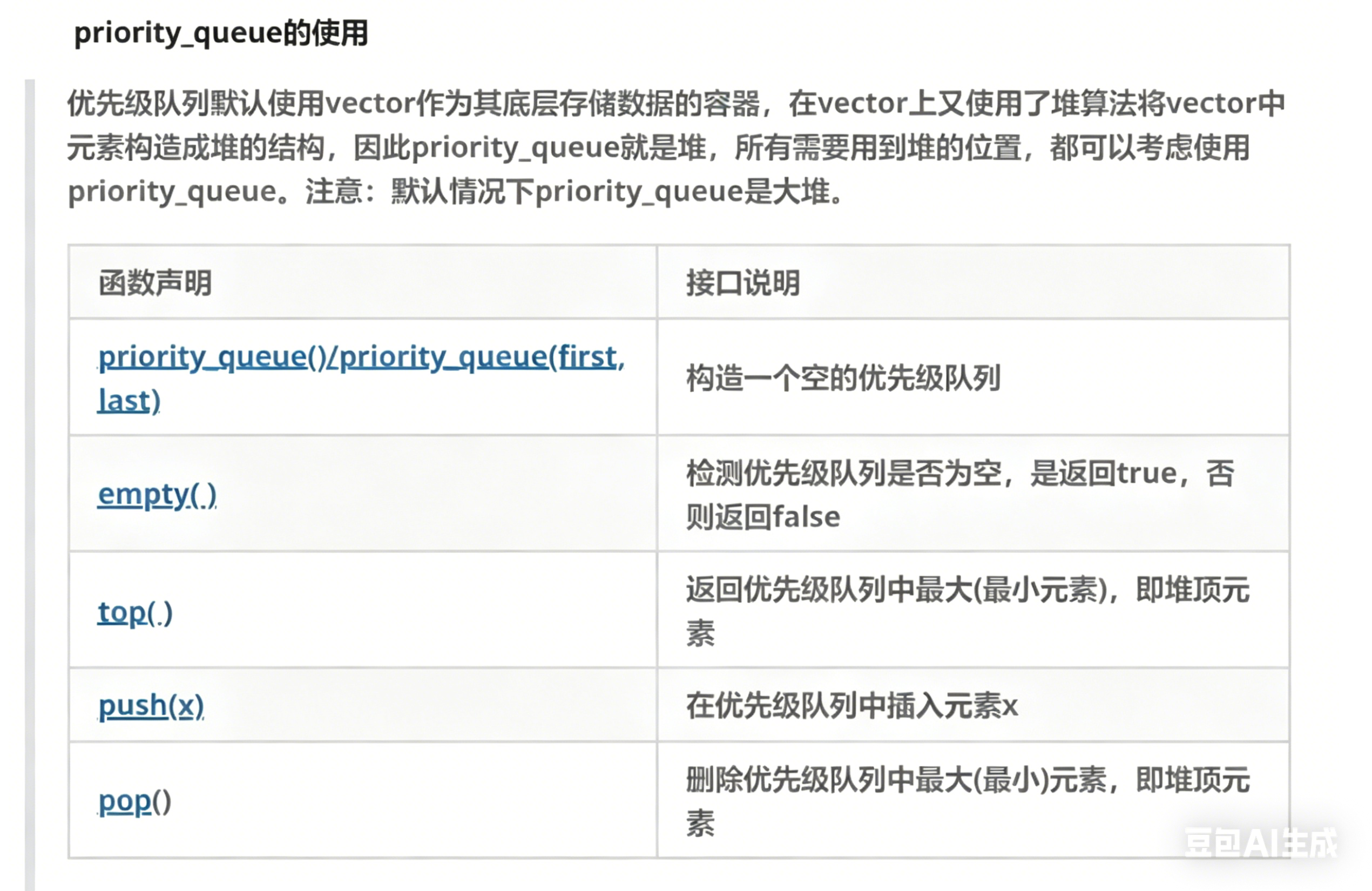
仿函数定义:一个类,如果重载了 operator(),那么用这个类创建出来的对象,在使用上就像函数一样,我们就称这个类为“仿函数类”,它的对象叫“仿函数对象”,或者直接叫“仿函数”。
priority_queue.h
#pragma once
template<class T>
class Less
{
public:
	bool operator()(const T& x, const T& y)
	{
		return x < y;
	}
};

template<class T>
class Greater
{
public:
	bool operator()(const T& x, const T& y)
	{
		return x > y;
	}
};


namespace shasha
{
	template<class T,class Container,class Compare = Less<T>>
	class priority_queue
	{
	public:
		priority_queue() = default;

		template<class InputIterator>
		priority_queue(InputIterator first,InputIterator last)
			:_con(first,last)
		{
			for (int i = (_con.size() - 1 - 1) / 2; i >= 0; i--)
			{
				adjust_down(i);
			}
		}


		void push(const T& x)
		{
			_con.push_back(x);
			adjust_up(_con.size() - 1);
		}

		void pop()
		{
			swap(_con[0], _con[_con.size() - 1]);
			_con.pop_back();
			adjust_down(0);
		}

		const T& top()
		{
			return _con[0];
		}

		bool empty()
		{
			return _con.empty();
		}

		bool size()
		{
			return _con.size();
		}


	private:            //设置成私有的原因:adjust_up 和 adjust_down 只是 priority_queue 内部维护堆结构的工具函数,不是提供给用户使用的公有接口。
		void adjust_up(int child)
		{
			Compare com;
			int parent = (child - 1) / 2;
			while (child > 0)
			{
				if(com(_con[parent], _con[child]))
				{
					swap(_con[child], _con[parent]);
					child = parent;
					parent = (child - 1) / 2;
				}

				else
				{
					break;
				}
			}
		}

		void adjust_down(int parent)
		{
			Compare com;
			int child = parent * 2 + 1;
			while (child < _con.size())
			{
				if (child + 1 < _con.size() && com(_con[child], _con[child+1]))
				{
					child = child + 1;
				}

				if (com(_con[parent], _con[child]))
				{
					swap(_con[child], _con[parent]);
					parent = child;
					child = parent * 2 + 1;
				}

				else
				{
					break;
				}

			}
		}

	private:
		Container _con;
	};
}
test.cpp
#include<algorithm>
#include<iostream>
#include<queue>
using namespace std;

//int main()
//{
//	//类加模板加仿函数
//	// 默认是大的优先级高
//	priority_queue<int> pq;
//
//	//如果要改成小的优先级高    这里的设计有点不合理,就是刚好跟sort里面的less跟greater相反的
//	//priority_queue<int, vector<int>, greater<int>> pq;
//
//	pq.push(2);
//	pq.push(3);
//	pq.push(5);
//	pq.push(1);
//	pq.push(0);
//
//	while (!pq.empty())
//	{
//		cout << pq.top() << " ";
//		pq.pop();
//	}
//	cout << endl;
//
//	vector<int> v = { 3,4,6,2,1,9,0 };
//	//< 升序
//	sort(v.begin(), v.end());
//
//	//>降序
//	sort(v.begin(), v.end(), greater<int>());              //跟上面的priority_queue刚好相反
//	sort(v.rbegin(), v.rend());
//
//	for (auto& e : v)
//	{
//		cout << e << " ";
//	}
//	cout << endl;
//
//	return 0;
//}

//开始自己写
#include"priority_queue.h"
//int main()
//{
//	shasha::priority_queue<int, vector<int>> pq;
//	pq.push(1);
//	pq.push(2);
//	pq.push(3);
//	pq.push(4);
//	pq.pop();
//	while (!pq.empty())
//	{
//		cout << pq.top() << " ";
//		pq.pop();
//	}
//	cout << endl;
//
//	return 0;
//}


// < 升序   小堆
// > 降序   大堆
template<class T, class Compare>
void BubbleSort(T* a, int n, Compare com)
{
	int exchange = 0;
	for (int i = 0; i < n; i++)
	{
		for (int j = 0; j < n - i - 1; j++)
		{
			//if (a[j + 1] > a[j])
			if (com(a[j + 1], a[j]))
			{
				exchange = 1;
				swap(a[j], a[j + 1]);
			}
		}
		if (exchange == 0)
		{
			break;
		}
	}
}

//int main()
//{
//	Less<int> lessFunc;    //用Less类创建了一个对象lessFunc
//	cout << lessFunc(1, 2) << endl;
//	cout << lessFunc.operator()(1, 2) << endl;
//
//	Greater<int> greaterFunc;  //用 greater类创建了一个对象greaterFunc
//	cout << greaterFunc(1, 2) << endl;
//	cout << greaterFunc.operator()(1, 2) << endl;
//
//	int a[] = { 1,23,4,5,2,3,4,6,9 };
//	//BubbleSort(a, 9, lessFunc);    //有名对象
//	BubbleSort(a, 9, Less<int>());   //匿名对象
//	BubbleSort(a, 9, greaterFunc);    //有名对象
//	//BubbleSort(a, 9, Greater<int>());   //匿名对象
//
//	for (auto& e : a)
//	{
//		cout << e << " ";
//	}
//	cout << endl;
//	return 0;
//}

//int main()
//{
//	shasha::priority_queue<int, vector<int>> pq;
//	pq.push(1);
//	pq.push(2);
//	pq.push(3);
//	pq.push(4);
//	pq.pop();
//	while (!pq.empty())
//	{
//		cout << pq.top() << " ";
//		pq.pop();
//	}
//	cout << endl;
//
//	return 0;
//}

class Date
{
public:
	Date(int year = 1900, int month = 1, int day = 1)
		: _year(year)
		, _month(month)
		, _day(day)
	{
	}

	bool operator<(const Date& d)const
	{
		return (_year < d._year) ||
			(_year == d._year && _month < d._month) ||
			(_year == d._year && _month == d._month && _day < d._day);
	}

	bool operator>(const Date& d)const
	{
		return (_year > d._year) ||
			(_year == d._year && _month > d._month) ||
			(_year == d._year && _month == d._month && _day > d._day);
	}

	friend ostream& operator<<(ostream& _cout, const Date& d);
private:
	int _year;
	int _month;
	int _day;
};

ostream& operator<<(ostream& _cout, const Date& d)
{
	_cout << d._year << "-" << d._month << "-" << d._day;
	return _cout;
}

struct PDateLess
{
	bool operator()(const Date* p1,const Date* p2)
	{
		return *p1 < *p2;
	}
};

//int main()
//{
//	shasha::priority_queue<Date*, vector<Date*>,PDateLess> q1;
//	q1.push(new Date(2018, 10, 29));
//	q1.push(new Date(2018, 10, 28));
//	q1.push(new Date(2018, 10, 30));
//
//	while (!q1.empty())
//	{
//		cout << *q1.top() << " ";
//		q1.pop();
//	}
//	cout << endl;
//	return 0;
//}

struct OP1
{
	bool operator()(int x)
	{
		return x % 2 == 0;
	}
};

struct OP2
{
	int operator()(int x)
	{
		if (x % 2 == 0)
		{
			return x * 2;
		}

		else
		{
			return x;
		}
	}
};

int main()
{
	int a[] = { 1,3,2,4,5,2,1 };

	//查找第一个偶数
	auto it = find_if(a, a + 7, OP1());
	cout << *it << endl;

	vector<int> v = { 1,2,3,4,5,6,7 };
	for (auto& e : v)
	{
		cout << e << " ";
	}
	cout << endl;


	//偶数值*2
	transform(v.begin(), v.end(), v.begin(), OP2());
	for (auto& e : v)
	{
		cout << e << " ";
	}
	cout << endl;

	return 0;
}
更多推荐


 9
9 0
0- 0


 已为社区贡献6条内容

所有评论(0)