
C++ STL 容器 -- 道与术 篇(二) list
概述
"道生一,一生二,二生三,三生万物。" ——《道德经》
在道家智慧中,"道"是万物运行的底层规律,无形无相却贯穿始终;"术"是表象的具体技法,有形有相而易学易用。
学习std::list亦如此:通晓道法,则明其双向链表之本质,知其在内存中如何环环相扣,晓其增删之妙与访问之限;掌握术法,则熟其接口用法,能随心调用而无碍。
今AI昌盛,求"术"者瞬息可得。然欲成高手,当先悟"道"——内力深厚者,招式自然通透。本篇仍从道、术两途,为你揭开std::list的奥秘。
list 道法篇
std::list 核心原理基于双向链表的设计,它通过节点连接的方式存储元素,每个节点包含指向前后节点的指针,支持高效的插入删除操作,但不支持随机访问。
双向链表原理
随机访问 vs 顺序访问:相信很多初学者对"随机访问"这个词不是很理解,在上一篇《C++ STL 容器 -- 道与术 篇(一) vector》中已经对随机访问做了说明,这里继续用之前的例子:
(1)如果5个人并排站在一起(内存上连续的),你就可以很容易地找到第五个人(随机访问)。
(2)假如这五个人站的位置并不是并排,而是通过绳子连在一起,首尾相连,每个人只知道前一个人和后一个人在哪,那么你要找到第5个人,你就只能从第一个人开始逐个往后找(顺序访问)。
list就是第二种情况,每个节点只知道它的前驱和后继节点。
list 两个重点:
(1)在内存布局上是非连续的 --> 不支持随机访问,但支持快速插入删除。
(2)每个节点包含两个指针(前驱和后继) --> 支持双向遍历。
系列特性说明:
基于这两个"道法"原理,就决定了他的一系列特性。
(1) 插入删除效率高(O(1))
由于是链表结构,在已知位置插入或删除元素只需要修改相邻节点的指针,不需要移动其他元素。
(2) 不支持随机访问
访问某个位置的元素需要从头部或尾部遍历过去,时间复杂度为O(n)。
(3) 内存开销较大
每个节点除了存储元素外,还需要两个指针(前驱和后继),在64位系统上,每个指针占8字节,所以每个节点需要额外的16字节开销。
(4) 内存布局
list的节点结构简化如下:
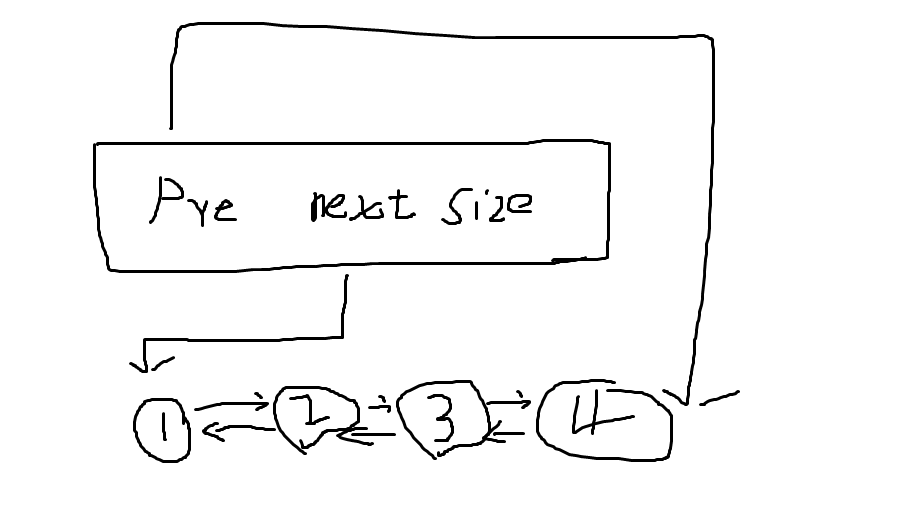
GCC风格:

// 在GCC的bits/stl_list.h中可以看到:
template<typename _Tp>
class list {
protected:
    _List_node_base _M_node;  // 哨兵节点:16字节
    size_t _M_size;           // 大小计数器:8字节
    // 总计:24字节
};

struct _List_node_base {
    _List_node_base* _M_next;
    _List_node_base* _M_prev;
    // 16字节
};

template<typename _Tp>
struct _List_node : public _List_node_base {
    _Tp _M_data;
    // 继承16字节 + sizeof(_Tp) + 填充
    // 对于int:16 + 4 + 4 = 24字节
};
list对象本身通常包含一个指向首尾节点的指针和记录元素个数的变量。
std::list<int> empty_list;
哨兵节点:
  _M_next → 指向哨兵节点自身
  _M_prev → 指向哨兵节点自身
std::list<int> list = {10, 20, 30};
哨兵节点:
_M_next → 指向第一个数据节点(10)
_M_prev → 指向最后一个数据节点(30)
数据节点布局:
哨兵 ←→ [10] ←→ [20] ←→ [30] ←→ 哨兵我们通过重定义new操作符,来捕获内存分配情况:
#include <new>
#include <iostream>
#include <list>
#include <cstdint>

// 重载全局new操作符
void* operator new(size_t size) {
    void* ptr = std::malloc(size);
    std::cout << "-->new size: " << size << " byte" << " src: " << ptr << std::endl;
    return ptr;
}

// 重载全局delete操作符
void operator delete(void* ptr) noexcept {
    if (ptr) {
        std::cout << "-->free src: " << ptr << std::endl;
        std::free(ptr);
    }
}
typedef struct test{
    test(uint64_t t){
        t1 = t;
    }
    uint64_t t1;//8字节
    uint64_t t2;//8字节
    uint64_t t3;//8字节
}test;

int main() {
    std::cout << "test t0" << std::endl;
    std::list<test>* list1 = new std::list<test>();
    std::cout << "size t1: " << list1->size() << std::endl;

    list1->push_back(1);
    std::cout << "size t2: " << list1->size() << std::endl;

    list1->push_back(2);
    std::cout << "size t3: " << list1->size() << std::endl;

    list1->push_back(3);
    std::cout << "size t4: " << list1->size() << std::endl;

    delete list1;
}可以直接使用在线编译工具运行https://www.onlinegdb.com/,输出如下:
输出如下:
test t0
-->new size: 24 byte src: 0x600b7fc17d30
size t1: 0
-->new size: 40 byte src: 0x600b7fc17d50
size t2: 1
-->new size: 40 byte src: 0x600b7fc17d80
size t3: 2
-->new size: 40 byte src: 0x600b7fc17db0
size t4: 3
-->free src: 0x600b7fc17d50
-->free src: 0x600b7fc17d80
-->free src: 0x600b7fc17db0
-->free src: 0x600b7fc17d30
可以看到,每次插入一个元素,就分配了一个40字节的节点(在64位系统中,两个指针16字节,加上一个test 占据24字节)。
怎么在某个位置插入一条数据:
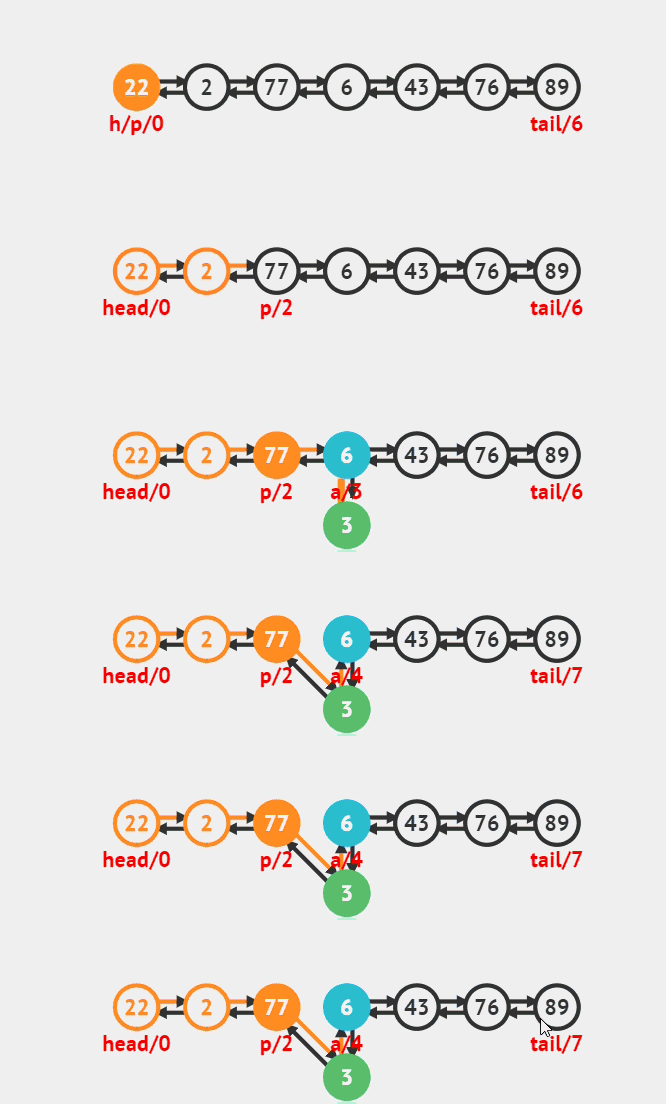
我们通过应该视频来看怎么在list中搜索一个数据:
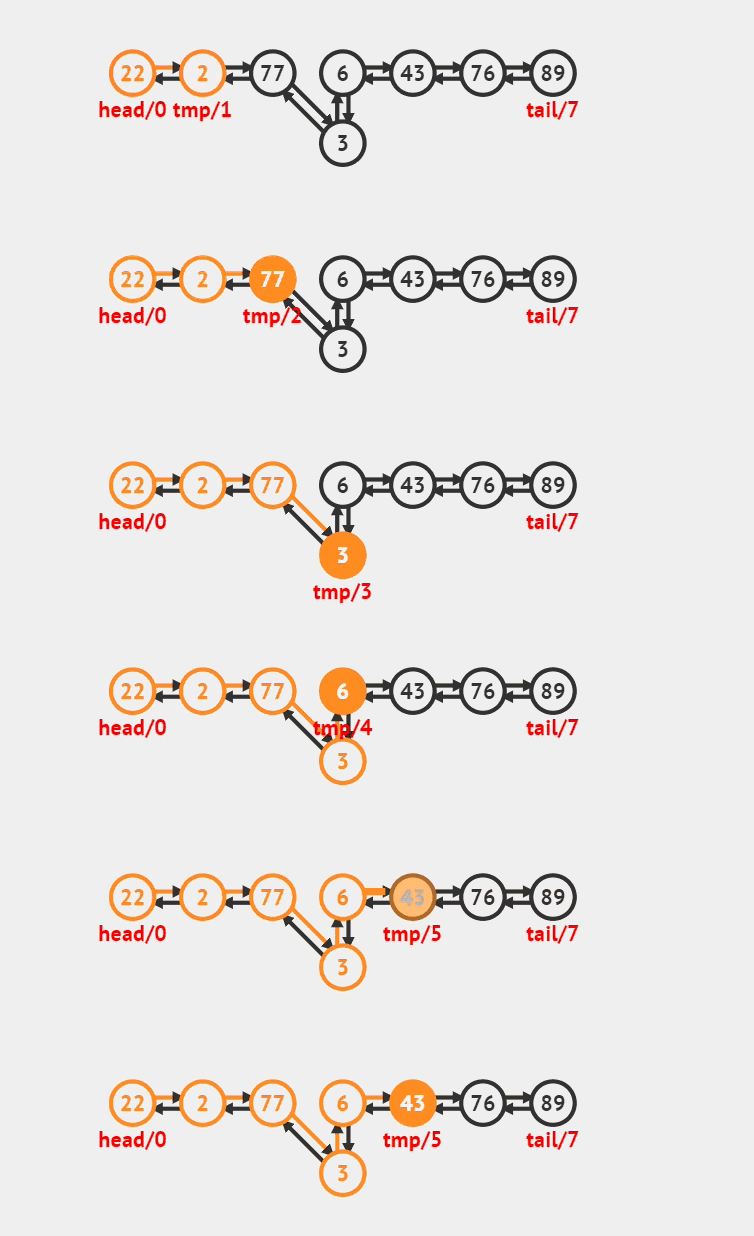
std::list 术法篇
前面我通过"道法"篇,详细介绍了list的实现原理,以及在内存上的布局。至此,对于list你应该知道其真正长什么样了,不再被其表像所迷惑,也应该知道其性能瓶颈了。
📋 完整API目录
-
🏗️ 成员类型
-
🏗️ 构造函数
-
🗑️ 析构函数
-
🔄 赋值操作
-
🔍 元素访问
-
🔄 迭代器
-
📦 容量操作
-
🛠️ 修改器
-
🎯 链表特有操作
-
🔗 非成员函数
-
💻 代码示例
🏗️ 成员类型
| 类型 | 定义 | 说明 |
|---|---|---|
value_type | T | 容器中存储的元素类型 |
allocator_type | Allocator | 用于管理内存的分配器类型 |
size_type | std::size_t | 无符号整数类型,用于表示大小 |
difference_type | std::ptrdiff_t | 有符号整数类型,用于表示距离 |
reference | value_type& | 元素的引用类型 |
const_reference | const value_type& | 元素的常量引用类型 |
pointer | Allocator::pointer | 指向元素的指针类型 |
const_pointer | Allocator::const_pointer | 指向常量元素的指针类型 |
iterator | 双向迭代器 | 指向元素的迭代器 |
const_iterator | 常量双向迭代器 | 指向常量元素的迭代器 |
reverse_iterator | std::reverse_iterator<iterator> | 反向迭代器 |
const_reverse_iterator | std::reverse_iterator<const_iterator> | 常量反向迭代器 |
🏗️ 构造函数
| 构造函数 | 说明 | 示例 |
|---|---|---|
list() noexcept | 默认构造函数 | std::list<int> l1; |
explicit list(const Allocator& alloc) noexcept | 带分配器的默认构造 | std::list<int> l2(alloc); |
list(size_type count, const T& value, const Allocator& alloc = Allocator()) | 构造count个value | std::list<int> l3(5, 10); |
explicit list(size_type count, const Allocator& alloc = Allocator()) | 构造count个默认值 | std::list<int> l4(5); |
template<class InputIt> list(InputIt first, InputIt last, const Allocator& alloc = Allocator()) | 范围构造 | std::list<int> l5(arr, arr+3); |
list(const list& other) | 拷贝构造 | std::list<int> l6(l5); |
list(const list& other, const Allocator& alloc) | 带分配器的拷贝构造 | std::list<int> l7(l5, alloc); |
list(list&& other) noexcept | 移动构造 | std::list<int> l8(std::move(l6)); |
list(list&& other, const Allocator& alloc) | 带分配器的移动构造 | std::list<int> l9(std::move(l7), alloc); |
list(std::initializer_list<T> init, const Allocator& alloc = Allocator()) | 初始化列表构造 | std::list<int> l10{1,2,3}; |
🗑️ 析构函数
| 函数 | 说明 | 示例 |
|---|---|---|
~list() | 销毁所有元素并释放内存 | 自动调用 |
🔄 赋值操作
| 函数 | 说明 | 示例 |
|---|---|---|
list& operator=(const list& other) | 拷贝赋值 | l1 = l2; |
list& operator=(list&& other) noexcept | 移动赋值 | l1 = std::move(l2); |
list& operator=(std::initializer_list<T> ilist) | 初始化列表赋值 | l1 = {4,5,6}; |
void assign(size_type count, const T& value) | 赋值count个value | l1.assign(3, 100); |
template<class InputIt> void assign(InputIt first, InputIt last) | 赋值范围元素 | l1.assign(arr, arr+3); |
void assign(std::initializer_list<T> ilist) | 赋值初始化列表 | l1.assign({7,8,9}); |
🔍 元素访问
| 函数 | 说明 | 示例 | 异常安全 |
|---|---|---|---|
reference front() | 访问首元素 | int x = l1.front(); | 空list未定义行为 |
const_reference front() const | const版本front | const int x = l1.front(); | 同上 |
reference back() | 访问尾元素 | int x = l1.back(); | 空list未定义行为 |
const_reference back() const | const版本back | const int x = l1.back(); | 同上 |
注意:list不支持随机访问,因此没有at和operator[]。
🔄 迭代器
| 函数 | 说明 | 示例 |
|---|---|---|
iterator begin() noexcept | 指向首元素的迭代器 | auto it = l1.begin(); |
const_iterator begin() const noexcept | const版本begin | auto it = l1.begin(); |
const_iterator cbegin() const noexcept | 指向首元素的const迭代器 | auto it = l1.cbegin(); |
iterator end() noexcept | 指向尾后位置的迭代器 | auto it = l1.end(); |
const_iterator end() const noexcept | const版本end | auto it = l1.end(); |
const_iterator cend() const noexcept | 指向尾后位置的const迭代器 | auto it = l1.cend(); |
reverse_iterator rbegin() noexcept | 指向反向首元素的迭代器 | auto it = l1.rbegin(); |
const_reverse_iterator rbegin() const noexcept | const版本rbegin | auto it = l1.rbegin(); |
const_reverse_iterator crbegin() const noexcept | 指向反向首元素的const迭代器 | auto it = l1.crbegin(); |
reverse_iterator rend() noexcept | 指向反向尾后位置的迭代器 | auto it = l1.rend(); |
const_reverse_iterator rend() const noexcept | const版本rend | auto it = l1.rend(); |
const_reverse_iterator crend() const noexcept | 指向反向尾后位置的const迭代器 | auto it = l1.crend(); |
📦 容量操作
| 函数 | 说明 | 示例 | 时间复杂度 |
|---|---|---|---|
bool empty() const noexcept | 检查是否为空 | if(l1.empty()) | O(1) |
size_type size() const noexcept | 返回元素数量 | size_t s = l1.size(); | O(1) |
size_type max_size() const noexcept | 返回最大可能大小 | size_t m = l1.max_size(); | O(1) |
注意:list没有capacity和reserve,因为链表不需要预先分配内存。
🛠️ 修改器
基本修改操作
| 函数 | 说明 | 示例 | 时间复杂度 |
|---|---|---|---|
void clear() noexcept | 清空所有元素 | l1.clear(); | O(n) |
iterator insert(const_iterator pos, const T& value) | 插入元素 | l1.insert(l1.begin(),10); | O(1) |
iterator insert(const_iterator pos, T&& value) | 移动插入元素 | l1.insert(l1.begin(),std::move(x)); | O(1) |
iterator insert(const_iterator pos, size_type count, const T& value) | 插入count个元素 | l1.insert(l1.begin(),3,10); | O(count) |
template<class InputIt> iterator insert(const_iterator pos, InputIt first, InputIt last) | 插入范围 | l1.insert(l1.begin(),arr,arr+3); | O(距离) |
iterator insert(const_iterator pos, std::initializer_list<T> ilist) | 插入初始化列表 | l1.insert(l1.begin(),{1,2,3}); | O(初始化列表大小) |
template<class... Args> iterator emplace(const_iterator pos, Args&&... args) | 原位构造元素 | l1.emplace(l1.begin(),10); | O(1) |
iterator erase(const_iterator pos) | 擦除单个元素 | l1.erase(l1.begin()); | O(1) |
iterator erase(const_iterator first, const_iterator last) | 擦除范围 | l1.erase(l1.begin(),std::next(l1.begin(),2)); | O(距离) |
void resize(size_type count) | 改变大小(默认构造) | l1.resize(10); | O(|count-size|) |
void resize(size_type count, const T& value) | 改变大小(指定值) | l1.resize(10,5); | O(|count-size|) |
void swap(list& other) noexcept | 交换内容 | l1.swap(l2); | O(1) |
首尾操作
| 函数 | 说明 | 示例 | 时间复杂度 |
|---|---|---|---|
template<class... Args> void emplace_back(Args&&... args) | 在末尾原位构造 | l1.emplace_back(10); | O(1) |
void push_back(const T& value) | 在末尾添加元素 | l1.push_back(10); | O(1) |
void push_back(T&& value) | 在末尾移动添加 | l1.push_back(std::move(x)); | O(1) |
void pop_back() | 移除末尾元素 | l1.pop_back(); | O(1) |
template<class... Args> void emplace_front(Args&&... args) | 在开头原位构造 | l1.emplace_front(10); | O(1) |
void push_front(const T& value) | 在开头添加元素 | l1.push_front(10); | O(1) |
void push_front(T&& value) | 在开头移动添加 | l1.push_front(std::move(x)); | O(1) |
void pop_front() | 移除开头元素 | l1.pop_front(); | O(1) |
🎯 链表特有操作
拼接操作 (Splice)
| 函数 | 说明 | 示例 | 时间复杂度 |
|---|---|---|---|
void splice(const_iterator pos, list& other) | 将other所有元素拼接到pos前 | l1.splice(l1.end(), l2); | O(1) |
void splice(const_iterator pos, list&& other) | 移动版本的拼接 | l1.splice(l1.end(), std::move(l2)); | O(1) |
void splice(const_iterator pos, list& other, const_iterator it) | 将other中it指向的元素拼接到pos前 | l1.splice(l1.end(), l2, l2.begin()); | O(1) |
void splice(const_iterator pos, list&& other, const_iterator it) | 移动版本的单个元素拼接 | l1.splice(l1.end(), std::move(l2), l2.begin()); | O(1) |
void splice(const_iterator pos, list& other, const_iterator first, const_iterator last) | 将other中[first,last)范围的元素拼接到pos前 | l1.splice(l1.end(), l2, l2.begin(), l2.end()); | O(1) |
void splice(const_iterator pos, list&& other, const_iterator first, const_iterator last) | 移动版本的范围拼接 | l1.splice(l1.end(), std::move(l2), l2.begin(), l2.end()); | O(1) |
删除操作
| 函数 | 说明 | 示例 | 时间复杂度 |
|---|---|---|---|
void remove(const T& value) | 删除所有等于value的元素 | l1.remove(10); | O(n) |
template<class UnaryPredicate> void remove_if(UnaryPredicate p) | 删除所有满足谓词p的元素 | l1.remove_if([](int x){return x%2==0;}); | O(n) |
void unique() | 删除连续的重复元素 | l1.unique(); | O(n) |
template<class BinaryPredicate> void unique(BinaryPredicate p) | 使用二元谓词删除连续重复元素 | l1.unique(std::equal_to<int>()); | O(n) |
排序与合并
| 函数 | 说明 | 示例 | 时间复杂度 |
|---|---|---|---|
void merge(list& other) | 合并两个有序链表 | l1.merge(l2); | O(size() + other.size()) |
void merge(list&& other) | 移动版本的合并 | l1.merge(std::move(l2)); | O(size() + other.size()) |
template<class Compare> void merge(list& other, Compare comp) | 使用比较器合并 | l1.merge(l2, std::greater<int>()); | O(size() + other.size()) |
template<class Compare> void merge(list&& other, Compare comp) | 移动版本+比较器合并 | l1.merge(std::move(l2), std::greater<int>()); | O(size() + other.size()) |
void sort() | 对链表排序 | l1.sort(); | O(n log n) |
template<class Compare> void sort(Compare comp) | 使用比较器排序 | l1.sort(std::greater<int>()); | O(n log n) |
void reverse() noexcept | 反转链表 | l1.reverse(); | O(n) |
🔗 非成员函数
比较操作
| 函数 | 说明 | 示例 |
|---|---|---|
bool operator==(const list& lhs, const list& rhs) | 相等比较 | if(l1 == l2) |
bool operator!=(const list& lhs, const list& rhs) | 不等比较 | if(l1 != l2) |
bool operator<(const list& lhs, const list& rhs) | 小于比较 | if(l1 < l2) |
bool operator<=(const list& lhs, const list& rhs) | 小于等于比较 | if(l1 <= l2) |
bool operator>(const list& lhs, const list& rhs) | 大于比较 | if(l1 > l2) |
bool operator>=(const list& lhs, const list& rhs) | 大于等于比较 | if(l1 >= l2) |
C++20 三路比较
| 函数 | 说明 | 示例 |
|---|---|---|
template<class T, class Alloc> auto operator<=>(const list<T,Alloc>& lhs, const list<T,Alloc>& rhs) | 三路比较 | auto cmp = l1 <=> l2; |
交换操作
| 函数 | 说明 | 示例 |
|---|---|---|
void swap(list& lhs, list& rhs) noexcept | 特化swap算法 | std::swap(l1, l2); |
擦除操作 (C++20)
| 函数 | 说明 | 示例 |
|---|---|---|
template<class T, class Alloc, class U> typename list<T,Alloc>::size_type erase(list<T,Alloc>& c, const U& value) | 从list中擦除所有等于value的元素 | std::erase(l1, 10); |
template<class T, class Alloc, class Pred> typename list<T,Alloc>::size_type erase_if(list<T,Alloc>& c, Pred pred) | 从list中擦除所有满足pred的元素 | std::erase_if(l1, [](int x){return x%2==0;}); |
💻 完整代码示例
#include <iostream>
#include <list>
#include <algorithm>
#include <vector>

int main() {
    // 1. 创建和初始化
    std::list<int> lst = {1, 2, 3, 4, 5};
    std::list<int> lst2 = {6, 7, 8};

    // 2. 元素访问
    std::cout << "第一个元素: " << lst.front() << std::endl;
    std::cout << "最后一个元素: " << lst.back() << std::endl;

    // 3. 容量操作
    std::cout << "大小: " << lst.size() << std::endl;
    std::cout << "是否为空: " << (lst.empty() ? "是" : "否") << std::endl;

    // 4. 基本修改操作
    lst.push_back(6);                    // 在末尾添加元素
    lst.push_front(0);                   // 在开头添加元素
    lst.emplace_back(7);                 // 在末尾原位构造
    lst.emplace_front(-1);               // 在开头原位构造

    // 5. 插入操作
    auto it = lst.begin();
    std::advance(it, 3);
    lst.insert(it, 99);                  // 在位置3插入

    // 6. 删除操作
    lst.pop_back();                      // 移除末尾元素
    lst.pop_front();                     // 移除开头元素
    it = lst.begin();
    std::advance(it, 2);
    lst.erase(it);                       // 移除位置2的元素

    // 7. 链表特有操作 - 拼接
    lst.splice(lst.end(), lst2);         // 将lst2拼接到lst末尾

    // 8. 链表特有操作 - 删除
    lst.remove(99);                      // 删除所有99
    lst.remove_if([](int x) { return x % 2 == 0; }); // 删除所有偶数

    // 9. 链表特有操作 - 排序和反转
    lst.sort();                          // 排序
    lst.reverse();                       // 反转

    // 10. 链表特有操作 - 合并
    std::list<int> sorted1 = {1, 3, 5};
    std::list<int> sorted2 = {2, 4, 6};
    sorted1.merge(sorted2);              // 合并两个有序链表

    // 11. 链表特有操作 - 去重
    std::list<int> dup_list = {1, 1, 2, 2, 3, 3};
    dup_list.unique();                   // 去除连续重复元素

    // 12. 迭代器遍历
    std::cout << "正向遍历: ";
    for (auto it = lst.begin(); it != lst.end(); ++it) {
        std::cout << *it << " ";
    }
    std::cout << std::endl;

    std::cout << "反向遍历: ";
    for (auto it = lst.rbegin(); it != lst.rend(); ++it) {
        std::cout << *it << " ";
    }
    std::cout << std::endl;

    // 13. 范围for循环
    std::cout << "范围for循环: ";
    for (const auto& element : lst) {
        std::cout << element << " ";
    }
    std::cout << std::endl;

    // 14. 算法使用
    auto found = std::find(lst.begin(), lst.end(), 3);
    if (found != lst.end()) {
        std::cout << "找到元素3" << std::endl;
    }

    // 15. 大小调整
    lst.resize(10, 100);                 // 调整大小为10,新元素为100
    std::cout << "调整大小后: ";
    for (const auto& element : lst) {
        std::cout << element << " ";
    }
    std::cout << std::endl;

    // 16. 交换操作
    std::list<int> swap_list = {10, 20, 30};
    lst.swap(swap_list);
    std::cout << "交换后lst: ";
    for (const auto& element : lst) {
        std::cout << element << " ";
    }
    std::cout << std::endl;

    // 17. C++20 擦除操作
    std::list<int> erase_list = {1, 2, 3, 2, 4, 2, 5};
    std::erase(erase_list, 2);           // 删除所有2
    std::cout << "删除所有2后: ";
    for (const auto& element : erase_list) {
        std::cout << element << " ";
    }
    std::cout << std::endl;

    return 0;
}
"大道至简,衍化至繁。" ——《道德经》
至此,std::list的所有API已完整呈现。从基础构造到链表特有操作,从元素访问到复杂算法,每一招每一式都已涵盖。掌握这些"术法",配合对双向链表"道法"的理解,你已能随心运用std::list这一利器。

更多推荐
 16
16 0
0- 0


 已为社区贡献5条内容

所有评论(0)