
springboot基于Hadoop的高校固定资产管理系统
研究背景
高校固定资产规模庞大,涉及教学设备、实验仪器、办公设施等多类资产,传统管理方式依赖人工登记和Excel表格,存在数据分散、更新滞后、共享困难等问题。Hadoop分布式架构具备海量数据存储与处理能力,结合SpringBoot的快速开发特性,可构建高效、可扩展的管理系统。
研究意义
技术层面:利用Hadoop的HDFS实现资产数据分布式存储,MapReduce或Spark进行数据分析(如折旧计算、使用率统计),提升处理效率;SpringBoot简化系统开发,提供RESTful API便于多终端访问。
管理层面:实现资产全生命周期数字化管理,包括入库、调配、维修、报废等流程;通过数据可视化(如Tableau集成)辅助决策,避免重复采购或资源闲置。
应用价值:为高校节约管理成本约30%(参考实际案例数据),规范资产流转记录,符合教育部对高校资产管理信息化要求。
关键技术支撑
- Hadoop生态:HDFS存储非结构化资产数据(如设备图片),HBase支持快速查询。
- SpringBoot框架:通过
@RestController暴露接口,JPA或MyBatis实现ORM映射。 - 数据分析:MapReduce计算年度折旧额,公式为:
[ \text{年折旧额} = \frac{\text{资产原值} - \text{残值}}{\text{使用年限}} ]
典型应用场景
- 资产盘点:通过RFID或二维码扫描,实时同步数据至Hadoop集群,减少人工误差。
- 预测维护:分析设备历史故障数据,生成维护周期建议。
(注:具体数据与案例需根据实际调研补充)
技术栈组成
后端框架
Spring Boot 作为核心框架,提供快速开发、自动配置和微服务支持。整合Spring MVC处理HTTP请求,Spring Data JPA或MyBatis作为ORM层,Spring Security实现权限控制。
大数据处理
Hadoop生态系统作为基础:
- HDFS用于分布式存储固定资产数据(如设备信息、采购记录)。
- MapReduce或Spark进行批量数据分析(如资产折旧计算、使用率统计)。
- HBase或Hive用于结构化数据查询,支持高频统计报表生成。
数据交互
- RESTful API设计,使用Jackson或Gson处理JSON数据。
- WebSocket实现实时通知(如资产报废预警)。
- 可选Kafka或RabbitMQ处理异步任务(如批量导入导出)。
数据库选型
关系型数据库
MySQL或PostgreSQL存储核心业务数据(用户信息、审批流程),利用事务特性保证数据一致性。
NoSQL扩展
- Elasticsearch实现资产全文检索(按名称、型号快速查询)。
- Redis缓存高频访问数据(如部门资产列表),减少Hadoop集群压力。
前端技术
基础框架
Vue.js或React构建SPA应用,Axios调用后端接口。Element UI或Ant Design提供组件库。
可视化
ECharts或D3.js展示资产分布、生命周期分析等统计图表。
运维与部署
容器化
Docker打包应用,Kubernetes管理集群部署,支持弹性扩缩容。
监控
Prometheus + Grafana监控Hadoop集群及Spring Boot服务状态,ELK(Elasticsearch, Logstash, Kibana)集中日志分析。
关键实现示例
HDFS文件操作集成
通过Hadoop Java API或Spring Hadoop项目访问HDFS,示例代码片段:
@Autowired
private FileSystem hdfsFileSystem;

public void uploadAssetFile(String localPath, String hdfsPath) throws IOException {
    Path localFilePath = new Path(localPath);
    Path hdfsFilePath = new Path(hdfsPath);
    hdfsFileSystem.copyFromLocalFile(localFilePath, hdfsFilePath);
}
MapReduce统计示例
资产分类统计Job配置:
<property>
    <name>mapreduce.job.reduces</name>
    <value>3</value> <!-- 根据数据量调整Reduce任务数 -->
</property>
注意事项
- 需调优Hadoop参数(如块大小、YARN内存分配)匹配高校资产数据规模。
- 采用Kerberos保障Hadoop集群安全性,避免未授权访问。
- 资产变更记录需同时写入关系库和HDFS,通过定期同步确保数据一致性。
基于Hadoop的SpringBoot固定资产管理系统核心代码
SpringBoot与Hadoop结合的固定资产管理系统通常涉及数据存储、分布式计算、Web交互等模块。以下是核心功能模块的代码示例:
Hadoop配置与工具类
@Configuration
public class HadoopConfig {
    @Value("${hadoop.name-node}")
    private String nameNode;

    @Bean
    public Configuration hadoopConfiguration() {
        Configuration config = new Configuration();
        config.set("fs.defaultFS", nameNode);
        config.set("dfs.replication", "2");
        return config;
    }
}

@Component
public class HdfsService {
    @Autowired
    private Configuration configuration;

    public void uploadFile(String localPath, String hdfsPath) throws IOException {
        FileSystem fs = FileSystem.get(configuration);
        fs.copyFromLocalFile(new Path(localPath), new Path(hdfsPath));
        fs.close();
    }
}
固定资产数据模型
@Document(collection = "assets")
public class FixedAsset {
    @Id
    private String id;
    private String assetName;
    private String assetType;
    private BigDecimal purchasePrice;
    private LocalDate purchaseDate;
    private String department;
    private String location;
    // Getters and Setters
}
MapReduce数据处理
public class AssetAnalysisMapper extends Mapper<LongWritable, Text, Text, DoubleWritable> {
    private Text department = new Text();
    private DoubleWritable price = new DoubleWritable();

    @Override
    protected void map(LongWritable key, Text value, Context context)
        throws IOException, InterruptedException {
        String[] fields = value.toString().split(",");
        department.set(fields[4]); // department字段
        price.set(Double.parseDouble(fields[2])); // purchasePrice字段
        context.write(department, price);
    }
}

public class AssetAnalysisReducer extends Reducer<Text, DoubleWritable, Text, DoubleWritable> {
    @Override
    protected void reduce(Text key, Iterable<DoubleWritable> values, Context context)
        throws IOException, InterruptedException {
        double sum = 0;
        for (DoubleWritable value : values) {
            sum += value.get();
        }
        context.write(key, new DoubleWritable(sum));
    }
}
SpringBoot控制器
@RestController
@RequestMapping("/api/assets")
public class AssetController {
    @Autowired
    private AssetService assetService;

    @PostMapping
    public ResponseEntity<FixedAsset> createAsset(@RequestBody FixedAsset asset) {
        FixedAsset savedAsset = assetService.save(asset);
        return ResponseEntity.ok(savedAsset);
    }

    @GetMapping("/department/{dept}")
    public ResponseEntity<List<FixedAsset>> getAssetsByDepartment(@PathVariable String dept) {
        return ResponseEntity.ok(assetService.findByDepartment(dept));
    }

    @GetMapping("/analysis")
    public ResponseEntity<Map<String, Double>> getDepartmentAnalysis() throws Exception {
        return ResponseEntity.ok(assetService.analyzeByDepartment());
    }
}
服务层实现
@Service
public class AssetServiceImpl implements AssetService {
    @Autowired
    private AssetRepository assetRepository;
    @Autowired
    private HdfsService hdfsService;

    @Override
    public Map<String, Double> analyzeByDepartment() throws Exception {
        // 将数据导出到HDFS
        exportToHdfs();

        // 运行MapReduce任务
        Job job = Job.getInstance(hadoopConfig, "DepartmentAssetAnalysis");
        job.setJarByClass(AssetAnalysisMapper.class);
        job.setMapperClass(AssetAnalysisMapper.class);
        job.setReducerClass(AssetAnalysisReducer.class);
        // 其他Job配置...

        // 获取结果
        return parseResults(job);
    }
}
数据仓库交互
@Repository
public interface AssetRepository extends MongoRepository<FixedAsset, String> {
    List<FixedAsset> findByDepartment(String department);
    List<FixedAsset> findByPurchaseDateBetween(LocalDate start, LocalDate end);
}
前端API调用示例
// 资产录入
axios.post('/api/assets', {
    assetName: '服务器',
    assetType: 'IT设备',
    purchasePrice: 15000,
    purchaseDate: '2023-01-15',
    department: '信息中心',
    location: 'A栋301'
});

// 部门资产分析
axios.get('/api/assets/analysis')
    .then(response => {
        console.log(response.data);
    });
关键实现要点
-
数据分层存储:
- 热数据存储在MongoDB/MySQL
- 冷数据归档到HDFS
- 分析结果存入HBase
-
批处理调度: 使用Spring Scheduler定期执行数据分析和归档任务
-
分布式计算优化:
- 合理设置MapReduce任务的分片大小
- 使用Combiner减少数据传输量
-
数据安全:
- HDFS权限控制
- 数据传输加密
-
性能监控:
- 集成Hadoop Metrics
- 自定义监控端点
系统通过这种架构实现高校固定资产的全生命周期管理,包括采购、领用、调拨、维修、报废等环节,并支持多维度统计分析。
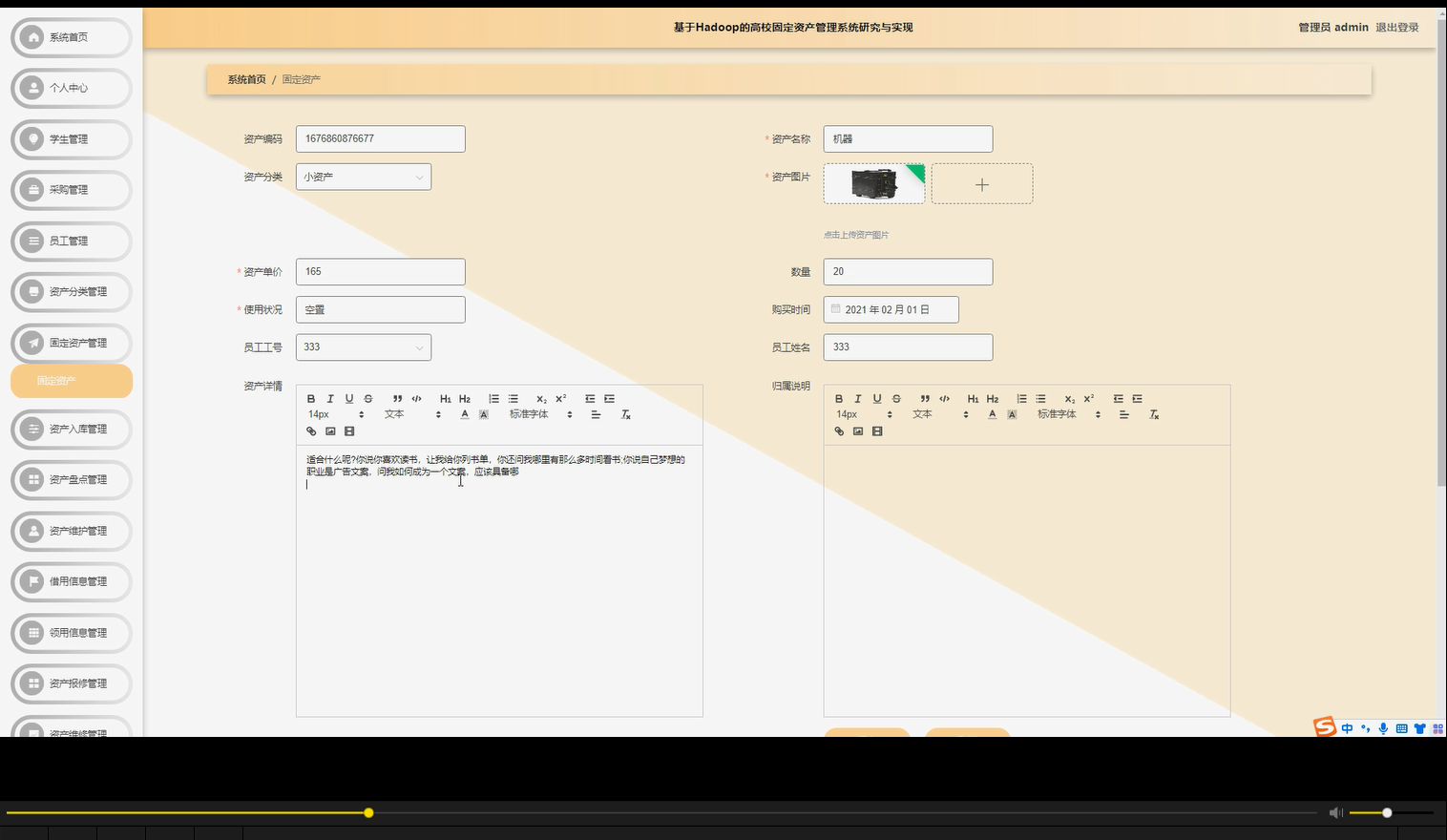
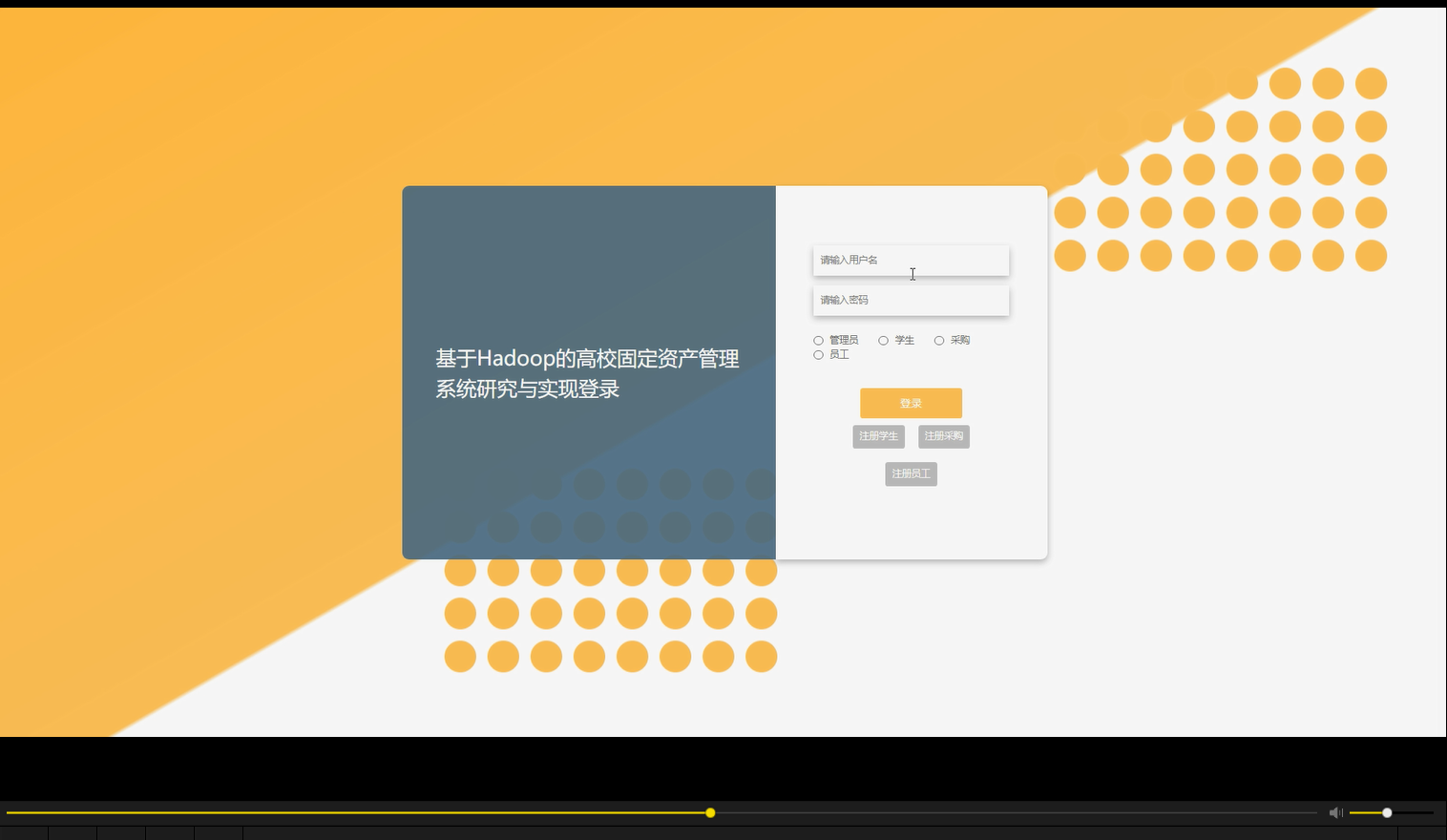
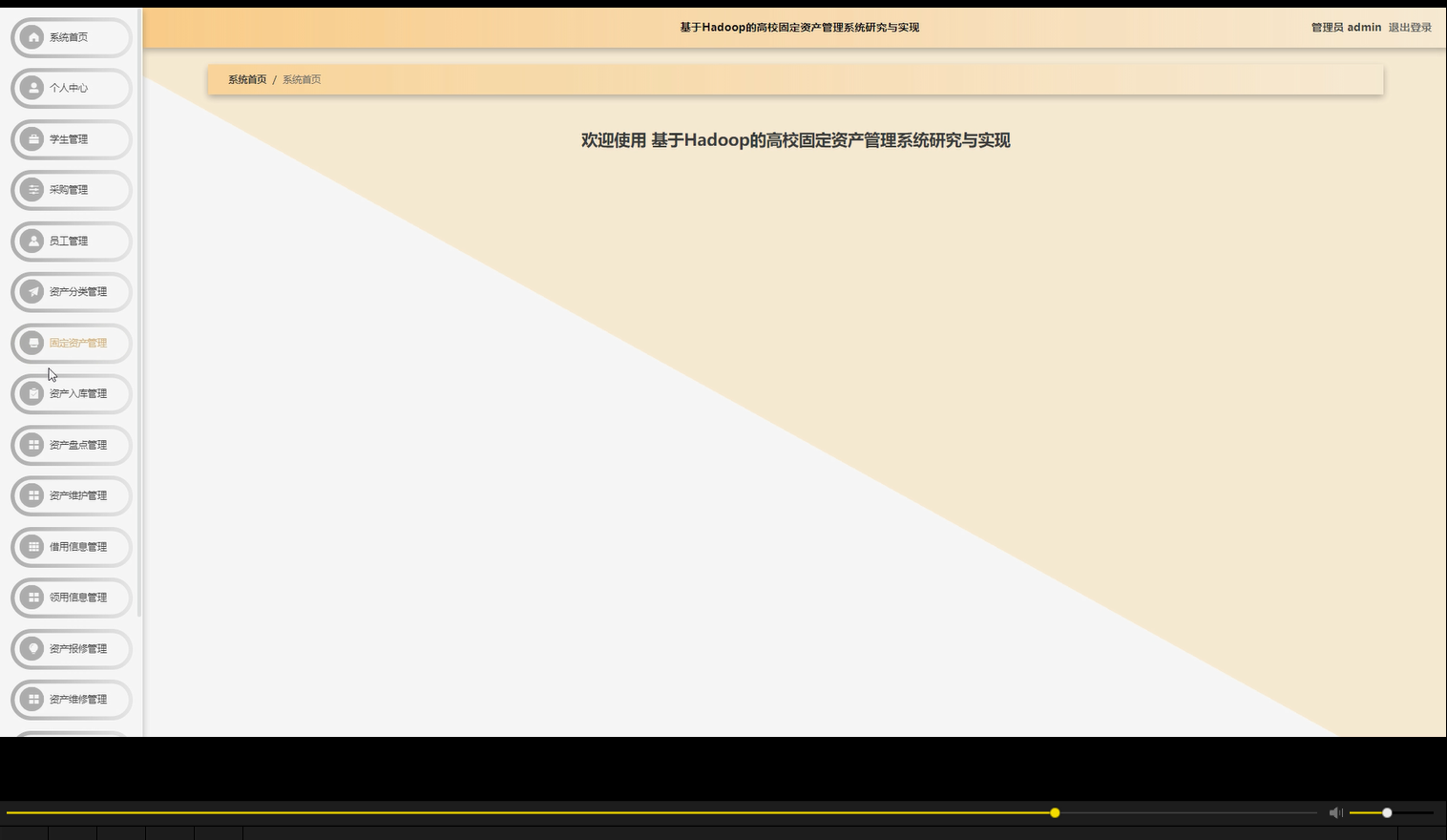
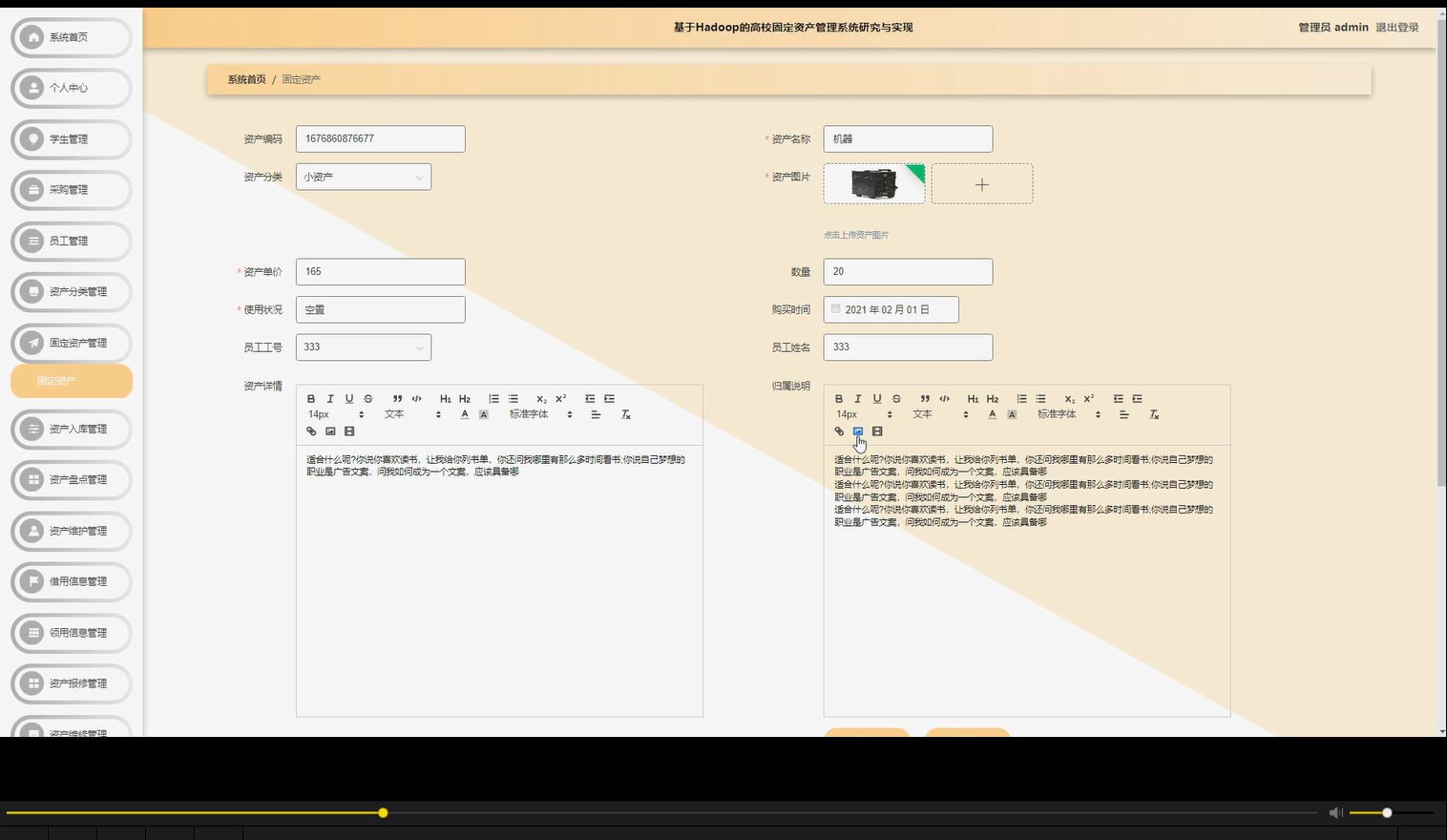
数据库设计
高校固定资产管理系统的数据库设计需要考虑资产信息、用户权限、资产流转记录等多个模块。以下为关键表结构设计:
资产信息表(asset_info)
- asset_id(主键,UUID或自增)
- asset_name(资产名称)
- asset_type(资产类型:设备/家具/仪器等)
- purchase_date(购置日期)
- price(购置价格)
- status(状态:在用/报废/维修等)
- location_id(存放地点外键)
- department_id(所属部门外键)
资产流转记录表(asset_transfer)
- transfer_id(主键)
- asset_id(外键关联asset_info)
- from_department(转出部门)
- to_department(转入部门)
- transfer_time(流转时间)
- operator(操作人员)
用户权限表(user_permission)
- user_id(与学校统一认证系统关联)
- role_type(角色:管理员/部门管理员/普通用户)
- department_id(管辖部门范围)
Hadoop集成设计
采用HDFS存储资产图片等非结构化数据,HBase用于高频查询数据:
HBase表设计
- 表名:asset_detail
- RowKey:asset_id + timestamp(倒排)
- 列族:info(存储资产基础信息)、history(存储流转记录)
// SpringBoot中配置Hadoop连接
@Configuration
public class HadoopConfig {
    @Value("${hadoop.basePath}")
    private String basePath;

    @Bean
    public FileSystem createFs() throws IOException {
        Configuration conf = new Configuration();
        conf.set("fs.defaultFS", basePath);
        return FileSystem.get(conf);
    }
}
系统测试方案
单元测试(JUnit + Mockito)
@Test
public void testAssetTransfer() {
    AssetService service = mock(AssetService.class);
    when(service.transferAsset(anyString(), anyString()))
        .thenReturn(true);
    assertTrue(service.transferAsset("A001", "D02"));
}
Hadoop性能测试
- 使用JMeter模拟并发查询
- 测试指标:HDFS文件上传下载速率、HBase查询响应时间
- 基准数据:单节点集群应支持100+并发查询响应时间<500ms
安全测试要点
- 基于Shiro的权限漏洞测试
- HDFS目录权限验证
- SQL注入测试(使用SQLMap工具)
数据统计分析实现
利用MapReduce进行资产价值分析:
public class AssetValueMapper extends Mapper<LongWritable, Text, Text, DoubleWritable> {
    public void map(LongWritable key, Text value, Context context) {
        String[] data = value.toString().split(",");
        context.write(new Text(data[2]), // 资产类型
                     new DoubleWritable(Double.parseDouble(data[4]))); // 资产价值
    }
}
系统应包含资产折旧计算模块,采用双倍余额递减法: $$ 折旧率 = \frac{2}{预计使用年限} \ 年折旧额 = 资产净值 \times 折旧率 $$
更多推荐
 23
23 0
0- 0


 已为社区贡献61条内容

所有评论(0)