从零构建AI智能体:小白程序员必备收藏指南
智能体是一个自主实体,能够感知其环境、做出决策并采取行动以实现特定目标。智能体的复杂性各不相同,从简单的反应式智能体(对刺激做出直接响应)到更先进的智能体(能够学习和适应)。反应式智能体:直接对环境变化做出响应,没有内部记忆。基于模型的智能体:使用内部世界模型进行决策。基于目标的智能体:根据实现特定目标来规划行动。基于效用的智能体:根据效用函数评估潜在行动,以最大化结果。例如,聊天机器人、推荐系统
从零构建AI智能体:小白程序员必备收藏指南
本文详细介绍了如何使用Python从零构建一个能根据用户输入做出决策、选择并执行合适工具的智能体。内容涵盖智能体概念、类型、Python环境设置、Ollama语言模型安装及核心组件实现。通过实例讲解模型类、工具函数、工具箱和智能体类的构建,最后展示智能体整合运行,让用户指令与相应工具的匹配。适合想学习AI智能体构建的程序员和小白参考。
1、 什么是智能体?
智能体是一个自主实体,能够感知其环境、做出决策并采取行动以实现特定目标。智能体的复杂性各不相同,从简单的反应式智能体(对刺激做出直接响应)到更先进的智能体(能够学习和适应)。常见的智能体类型包括:
- 反应式智能体:直接对环境变化做出响应,没有内部记忆。
- 基于模型的智能体:使用内部世界模型进行决策。
- 基于目标的智能体:根据实现特定目标来规划行动。
- 基于效用的智能体:根据效用函数评估潜在行动,以最大化结果。
例如,聊天机器人、推荐系统和自动驾驶汽车都利用不同类型的智能体高效、智能地完成任务。
我们的智能体的核心组件包括:
- 模型:智能体的“大脑”,负责处理输入并生成响应。
- 工具:智能体可以根据用户请求执行的预定义函数。
- 工具箱:智能体可以使用的工具集合。
- 系统提示:指导智能体如何处理用户输入并选择正确工具的指令集。
2、实现
现在,让我们开始动手构建!
2.1 前置条件

本教程的完整代码可在AI智能体GitHub仓库中找到,https://github.com/vsingh9076/AI-Agents/tree/main/build-agent-from-scratch
在运行代码之前,请确保你的系统满足以下前置条件:
1. Python环境设置
你需要安装Python才能运行AI智能体。按照以下步骤设置环境:
- 安装Python(如果尚未安装)
- 从python.org下载并安装Python(推荐3.8及以上版本)。
- 验证安装:
python --version
- 创建虚拟环境(推荐)
- 最好使用虚拟环境来管理依赖项:
python -m venv ai_agents_env
source ai_agents_env/bin/activate  # Windows: ai_agents_env\Scripts\activate
- 安装所需依赖
- 进入仓库目录并安装依赖项:
pip install-r requirements.txt
2. 本地设置Ollama
Ollama用于高效运行和管理本地语言模型。按照以下步骤安装并配置它:
- 下载并安装Ollama
- 访问Ollama官网,下载适用于你操作系统的安装程序。
- 按照平台说明进行安装。
- 验证Ollama安装
- 运行以下命令检查Ollama是否安装正确:
ollama --version
- 拉取模型(如果需要)
- 某些智能体实现可能需要特定模型。你可以使用以下命令拉取模型:
ollama pull mistral # 将'mistral'替换为所需模型
2.2 实现步骤

第1步:设置环境
除了Python外,我们还需要安装一些必要的库。在本教程中,我们将使用requests、json和termcolor。此外,我们将使用dotenv来管理环境变量。
pip install requests termcolor python-dotenv
第2步:定义模型类
我们需要的第一个组件是一个能够处理用户输入的模型。我们将创建一个OllamaModel类,它通过本地API与模型交互以生成响应。
以下是基本实现:
class OllamaModel:
    def __init__(self, model, system_prompt, temperature=0, stop=None):
        """
        Initializes the OllamaModel with the given parameters.

        Parameters:
        model (str): The name of the model to use.
        system_prompt (str): The system prompt to use.
        temperature (float): The temperature setting for the model.
        stop (str): The stop token for the model.
        """
        self.model_endpoint ="http://localhost:11434/api/generate"
        self.temperature = temperature
        self.model = model
        self.system_prompt = system_prompt
        self.headers ={"Content-Type":"application/json"}
        self.stop = stop

    def generate_text(self, prompt):
        """
        Generates a response from the Ollama model based on the provided prompt.

        Parameters:
        prompt (str): The user query to generate a response for.

        Returns:
        dict: The response from the model as a dictionary.
        """
        payload ={"model": self.model,
            "format":"json",
            "prompt": prompt,
            "system": self.system_prompt,
            "stream": False,
            "temperature": self.temperature,
            "stop": self.stop
        }

        try:
            request_response = requests.post(
                self.model_endpoint,
                headers=self.headers,
                data=json.dumps(payload))

            print("REQUEST RESPONSE", request_response)
            request_response_json = request_response.json()
            response = request_response_json['response']
            response_dict = json.loads(response)

            print(f"\n\nResponse from Ollama model: {response_dict}")return response_dict
        except requests.RequestException as e:
            response ={"error": f"Error in invoking model! {str(e)}"}return response
这个类使用模型名称、系统提示、温度和停止标记进行初始化。generate_text方法向模型API发送请求并返回响应。
第3步:为智能体创建工具
下一步是为智能体创建可以使用的工具。这些工具是执行特定任务的简单Python函数。以下是一个基本计算器和字符串反转器的示例:
def basic_calculator(input_str):
    """
    Perform a numeric operation on two numbers based on the input string or dictionary.

    Parameters:
    input_str (str or dict): Either a JSON string representing a dictionary with keys 'num1', 'num2', and 'operation',
                            or a dictionary directly. Example: '{"num1": 5, "num2": 3, "operation": "add"}'
                            or {"num1":67869, "num2":9030393, "operation":"divide"}

    Returns:
    str: The formatted result of the operation.

    Raises:
    Exception: If an error occurs during the operation (e.g., division by zero).
    ValueError: If an unsupported operation is requested or input is invalid.
    """
    try:
        # Handle both dictionary and string inputsif isinstance(input_str, dict):
            input_dict = input_str
        else:
            # Clean and parse the input string
            input_str_clean = input_str.replace("'", "\"")
            input_str_clean = input_str_clean.strip().strip("\"")
            input_dict = json.loads(input_str_clean)# Validate required fields
        ifnot all(key in input_dict forkeyin['num1', 'num2', 'operation']):
            return"Error: Input must contain 'num1', 'num2', and 'operation'"

        num1 = float(input_dict['num1'])# Convert to float to handle decimal numbers
        num2 = float(input_dict['num2'])
        operation = input_dict['operation'].lower()# Make case-insensitive
    except (json.JSONDecodeError, KeyError) as e:
        return"Invalid input format. Please provide valid numbers and operation."
    except ValueError as e:
        return"Error: Please provide valid numerical values."# Define the supported operations with error handling
    operations ={'add': operator.add,
        'plus': operator.add,  # Alternative word for add'subtract': operator.sub,
        'minus': operator.sub,  # Alternative word for subtract'multiply': operator.mul,
        'times': operator.mul,  # Alternative word for multiply'divide': operator.truediv,
        'floor_divide': operator.floordiv,
        'modulus': operator.mod,
        'power': operator.pow,
        'lt': operator.lt,
        'le': operator.le,
        'eq': operator.eq,
        'ne': operator.ne,
        'ge': operator.ge,
        'gt': operator.gt
    }# Check if the operation is supportedif operation notin operations:
        returnf"Unsupported operation: '{operation}'. Supported operations are: {', '.join(operations.keys())}"

    try:
        # Special handling for division by zeroif(operation in['divide', 'floor_divide', 'modulus']) and num2 ==0:
            return"Error: Division by zero is not allowed"# Perform the operation
        result = operations[operation](num1, num2)# Format result based on typeif isinstance(result, bool):
            result_str ="True"if result else"False"elif isinstance(result, float):
            # Handle floating point precision
            result_str = f"{result:.6f}".rstrip('0').rstrip('.')
        else:
            result_str = str(result)

        returnf"The answer is: {result_str}"
    except Exception as e:
        returnf"Error during calculation: {str(e)}"

def reverse_string(input_string):
    """
    Reverse the given string.

    Parameters:
    input_string (str): The string to be reversed.

    Returns:
    str: The reversed string.
    """
    # Check if input is a string
    ifnot isinstance(input_string, str):
        return"Error: Input must be a string"# Reverse the string using slicing
    reversed_string = input_string[::-1]# Format the output
    result = f"The reversed string is: {reversed_string}"return result
这些函数根据输入执行特定任务。basic_calculator处理算术运算,而reverse_string反转给定字符串。
第4步:构建工具箱
ToolBox类存储智能体可以使用的工具,并为每个工具提供描述:
class ToolBox:
    def __init__(self):
        self.tools_dict ={}

    def store(self, functions_list):
        """
        Stores the literal name and docstring of each functionin the list.

        Parameters:
        functions_list (list): List of function objects to store.

        Returns:
        dict: Dictionary with function names as keys and their docstrings as values.
        """
        forfuncin functions_list:
            self.tools_dict[func.__name__]= func.__doc__
        return self.tools_dict

    def tools(self):
        """
        Returns the dictionary created in store as a text string.

        Returns:
        str: Dictionary of stored functions and their docstrings as a text string.
        """
        tools_str =""for name, doc in self.tools_dict.items():
            tools_str += f"{name}: \"{doc}\"\n"return tools_str.strip()
这个类将帮助智能体了解可用的工具及其功能。
第5步:创建智能体类
智能体需要思考、决定使用哪个工具并执行它。以下是Agent类:
agent_system_prompt_template ="""
You are an intelligent AI assistant with access to specific tools. Your responses must ALWAYS be in this JSON format:
{{"tool_choice":"name_of_the_tool",
    "tool_input":"inputs_to_the_tool"}}

TOOLS AND WHEN TO USE THEM:

1. basic_calculator: Use for ANY mathematical calculations
   - Input format: {{"num1": number, "num2": number, "operation":"add/subtract/multiply/divide"}}
   - Supported operations: add/plus, subtract/minus, multiply/times, divide
   - Example inputs and outputs:
     Input: "Calculate 15 plus 7"
     Output: {{"tool_choice":"basic_calculator", "tool_input":{{"num1":15, "num2":7, "operation":"add"}}}}

     Input: "What is 100 divided by 5?"
     Output: {{"tool_choice":"basic_calculator", "tool_input":{{"num1":100, "num2":5, "operation":"divide"}}}}2. reverse_string: Use for ANY request involving reversing text
   - Input format: Just the text to be reversed as a string
   - ALWAYS use this tool when user mentions "reverse", "backwards", or asks to reverse text
   - Example inputs and outputs:
     Input: "Reverse of 'Howwwww'?"
     Output: {{"tool_choice":"reverse_string", "tool_input":"Howwwww"}}

     Input: "What is the reverse of Python?"
     Output: {{"tool_choice":"reverse_string", "tool_input":"Python"}}3. no tool: Use for general conversation and questions
   - Example inputs and outputs:
     Input: "Who are you?"
     Output: {{"tool_choice":"no tool", "tool_input":"I am an AI assistant that can help you with calculations, reverse text, and answer questions. I can perform mathematical operations and reverse strings. How can I help you today?"}}

     Input: "How are you?"
     Output: {{"tool_choice":"no tool", "tool_input":"I'm functioning well, thank you for asking! I'm here to help you with calculations, text reversal, or answer any questions you might have."}}

STRICT RULES:
1. For questions about identity, capabilities, or feelings:
   - ALWAYS use "no tool"
   - Provide a complete, friendly response
   - Mention your capabilities

2. For ANY text reversal request:
   - ALWAYS use "reverse_string"
   - Extract ONLY the text to be reversed
   - Remove quotes, "reverse of", and other extra text

3. For ANY math operations:
   - ALWAYS use "basic_calculator"
   - Extract the numbers and operation
   - Convert text numbers to digits

Here is a list of your tools along with their descriptions:
{tool_descriptions}

Remember: Your response must ALWAYS be valid JSON with "tool_choice" and "tool_input" fields.
"""
class Agent:
    def __init__(self, tools, model_service, model_name, stop=None):
        """
        Initializes the agent with a list of tools and a model.

        Parameters:
        tools (list): List of tool functions.
        model_service (class): The model service class with a generate_text method.
        model_name (str): The name of the model to use.
        """
        self.tools = tools
        self.model_service = model_service
        self.model_name = model_name
        self.stop = stop

    def prepare_tools(self):
        """
        Stores the tools in the toolbox and returns their descriptions.

        Returns:
        str: Descriptions of the tools stored in the toolbox.
        """
        toolbox = ToolBox()
        toolbox.store(self.tools)
        tool_descriptions = toolbox.tools()return tool_descriptions

    def think(self, prompt):
        """
        Runs the generate_text method on the model using the system prompt template and tool descriptions.

        Parameters:
        prompt (str): The user query to generate a response for.

        Returns:
        dict: The response from the model as a dictionary.
        """
        tool_descriptions = self.prepare_tools()
        agent_system_prompt = agent_system_prompt_template.format(tool_descriptions=tool_descriptions)# Create an instance of the model service with the system promptif self.model_service == OllamaModel:
            model_instance = self.model_service(model=self.model_name,
                system_prompt=agent_system_prompt,
                temperature=0,
                stop=self.stop
            )
        else:
            model_instance = self.model_service(model=self.model_name,
                system_prompt=agent_system_prompt,
                temperature=0)# Generate and return the response dictionary
        agent_response_dict = model_instance.generate_text(prompt)return agent_response_dict

    def work(self, prompt):
        """
        Parses the dictionary returned from think and executes the appropriate tool.

        Parameters:
        prompt (str): The user query to generate a response for.

        Returns:
        The response from executing the appropriate tool or the tool_input if no matching tool is found.
        """
        agent_response_dict = self.think(prompt)
        tool_choice = agent_response_dict.get("tool_choice")
        tool_input = agent_response_dict.get("tool_input")fortoolin self.tools:
            if tool.__name__ == tool_choice:
                response = tool(tool_input)
                print(colored(response, 'cyan'))return

        print(colored(tool_input, 'cyan'))return
这个类有三个主要方法:
prepare_tools:存储并返回工具的描述。think:根据用户提示决定使用哪个工具。work:执行选定的工具并返回结果。
第6步:运行智能体
最后,让我们将所有内容整合在一起并运行智能体。在脚本的主部分中,初始化智能体并开始接受用户输入:
# 示例用法if __name__ =="__main__":"""
    使用此智能体的说明:

    你可以尝试以下示例查询:
    1. 计算器操作:
       - "Calculate 15 plus 7"
       - "What is 100 divided by 5?"
       - "Multiply 23 and 4"2. 字符串反转:
       - "Reverse the word 'hello world'"
       - "Can you reverse 'Python Programming'?"3. 一般性问题(将直接获得响应):
       - "Who are you?"
       - "What can you help me with?"

    Ollama命令(在终端中运行):
    - 查看可用模型:    'ollama list'
    - 查看正在运行的模型:'ps aux | grep ollama'
    - 列出模型标签:    'curl http://localhost:11434/api/tags'
    - 拉取新模型:      'ollama pull mistral'
    - 运行模型服务器:   'ollama serve'"""

    tools =[basic_calculator, reverse_string]# 如果使用OpenAI,请取消以下注释# model_service = OpenAIModel# model_name = 'gpt-3.5-turbo'# stop = None# 使用Ollama和llama2模型
    model_service = OllamaModel
    model_name ="llama2"# 可以更改为其他模型,如'mistral'、'codellama'等
    stop ="<|eot_id|>"

    agent = Agent(tools=tools, model_service=model_service, model_name=model_name, stop=stop)

    print("\n欢迎使用AI智能体!输入'exit'退出。")
    print("你可以要求我:")
    print("1. 执行计算(例如:'Calculate 15 plus 7')")
    print("2. 反转字符串(例如:'Reverse hello world')")
    print("3. 回答一般性问题\n")

    whileTrue:
        prompt = input("问我任何问题:")if prompt.lower()=="exit":break

        agent.work(prompt)
3、结论
在本篇博客中,我们从理解什么是智能体开始,逐步实现了智能体。我们搭建了环境,定义了模型,创建了必要的工具,并构建了一个结构化的工具箱来支持智能体的功能。最后,我们将所有内容整合在一起并运行了智能体。
最后
近期科技圈传来重磅消息:行业巨头英特尔宣布大规模裁员2万人,传统技术岗位持续萎缩的同时,另一番景象却在AI领域上演——AI相关技术岗正开启“疯狂扩招”模式!据行业招聘数据显示,具备3-5年大模型相关经验的开发者,在大厂就能拿到50K×20薪的高薪待遇,薪资差距肉眼可见!
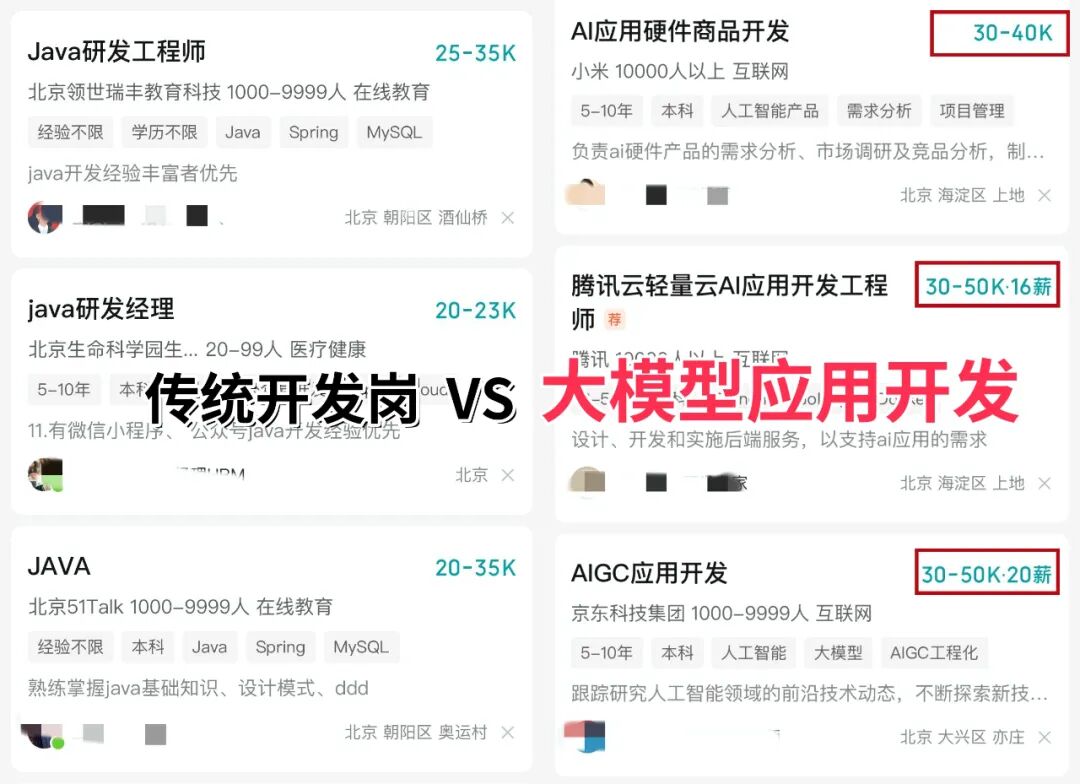
业内资深HR预判:不出1年,“具备AI项目实战经验”将正式成为技术岗投递的硬性门槛。在行业迭代加速的当下,“温水煮青蛙”式的等待只会让自己逐渐被淘汰,与其被动应对,不如主动出击,抢先掌握AI大模型核心原理+落地应用技术+项目实操经验,借行业风口实现职业翻盘!
深知技术人入门大模型时容易走弯路,我特意整理了一套全网最全最细的大模型零基础学习礼包,涵盖入门思维导图、经典书籍手册、从入门到进阶的实战视频、可直接运行的项目源码等核心内容。这份资料无需付费,免费分享给所有想入局AI大模型的朋友!

👇👇扫码免费领取全部内容👇👇
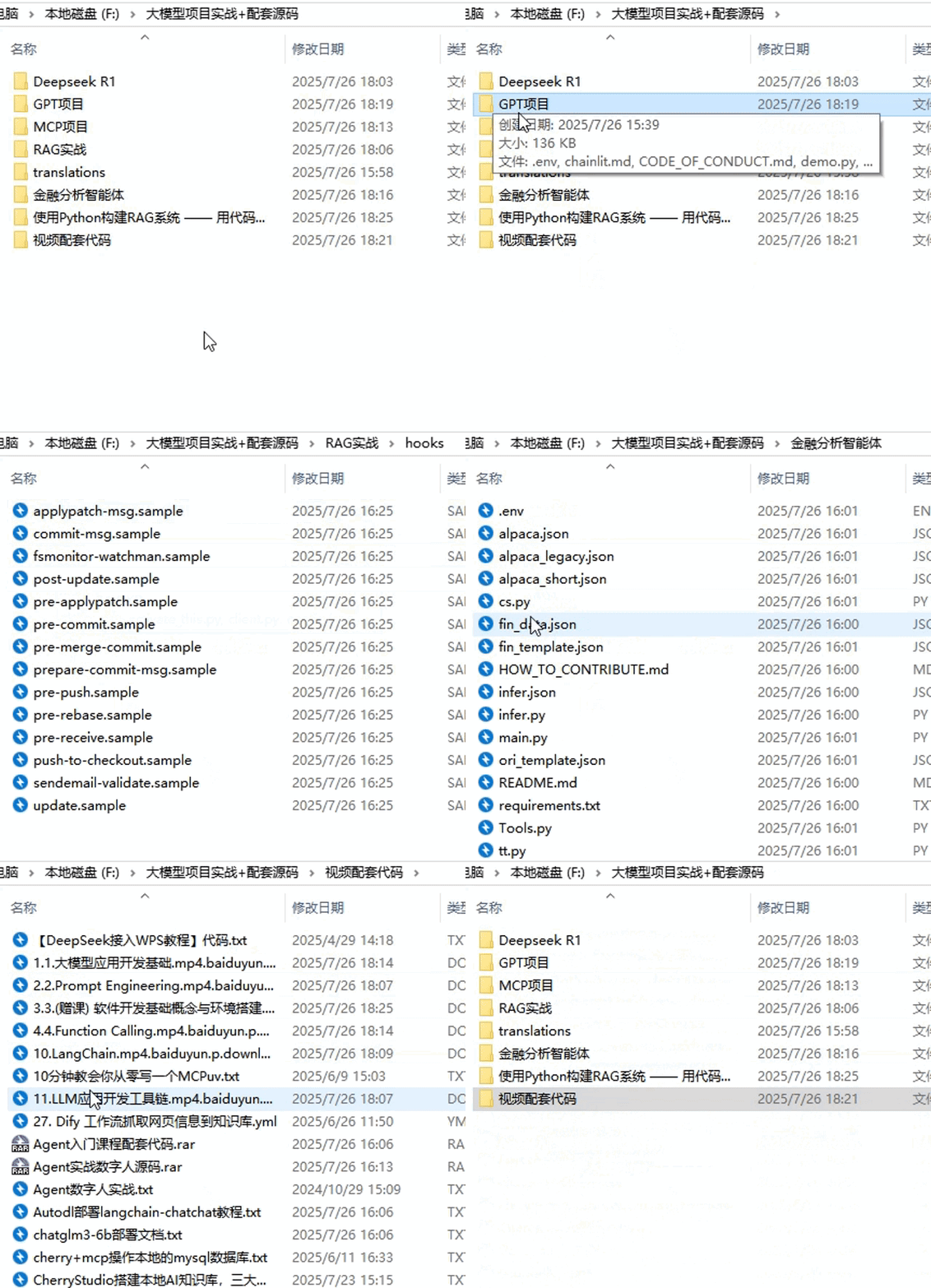
部分资料展示
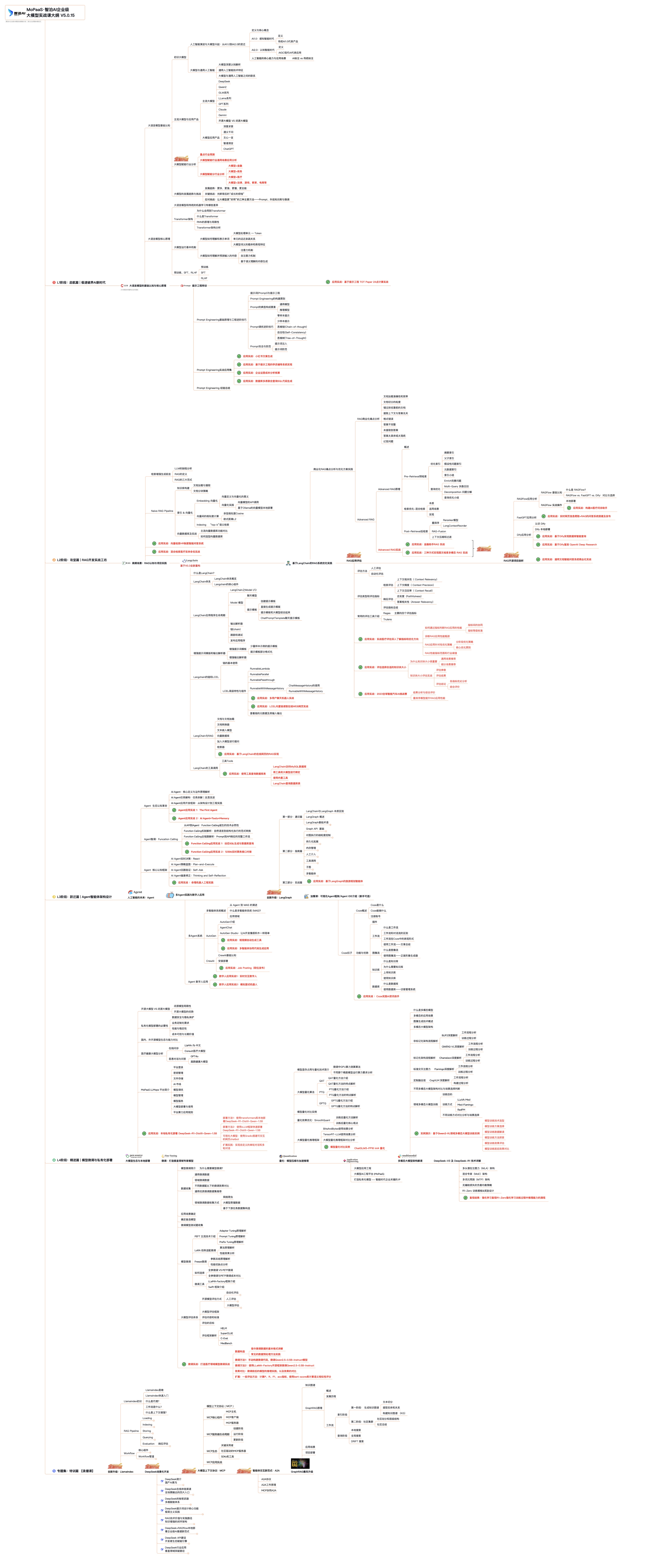
1、 AI大模型学习路线图
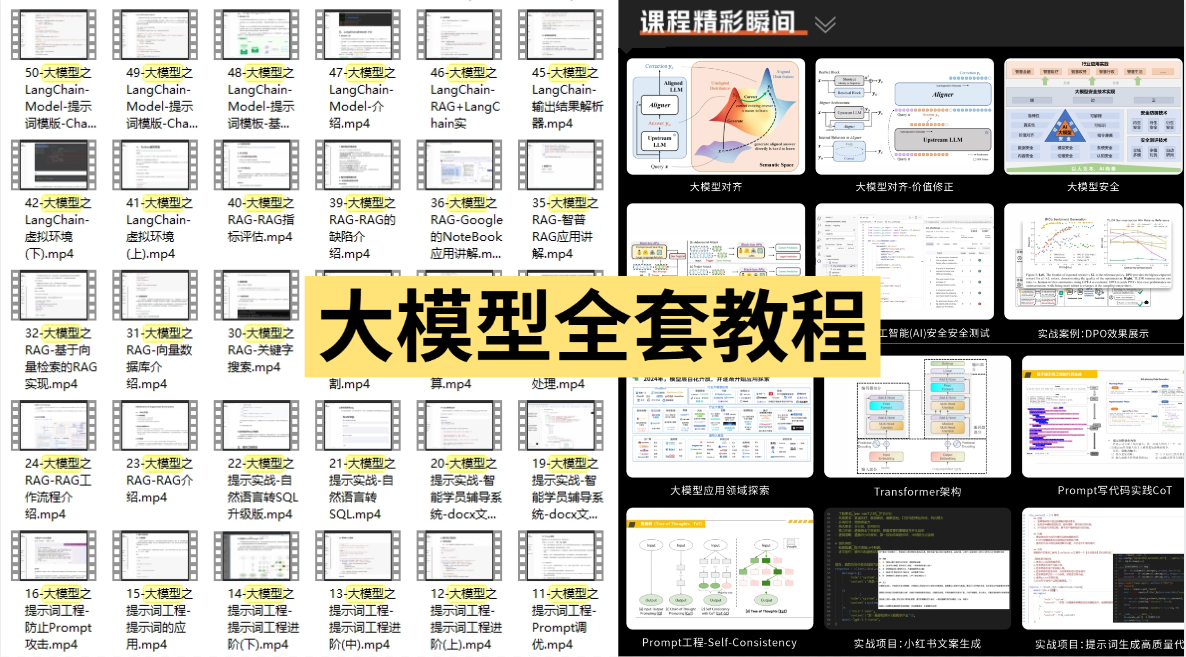
2、 全套AI大模型应用开发视频教程
从入门到进阶这里都有,跟着老师学习事半功倍。
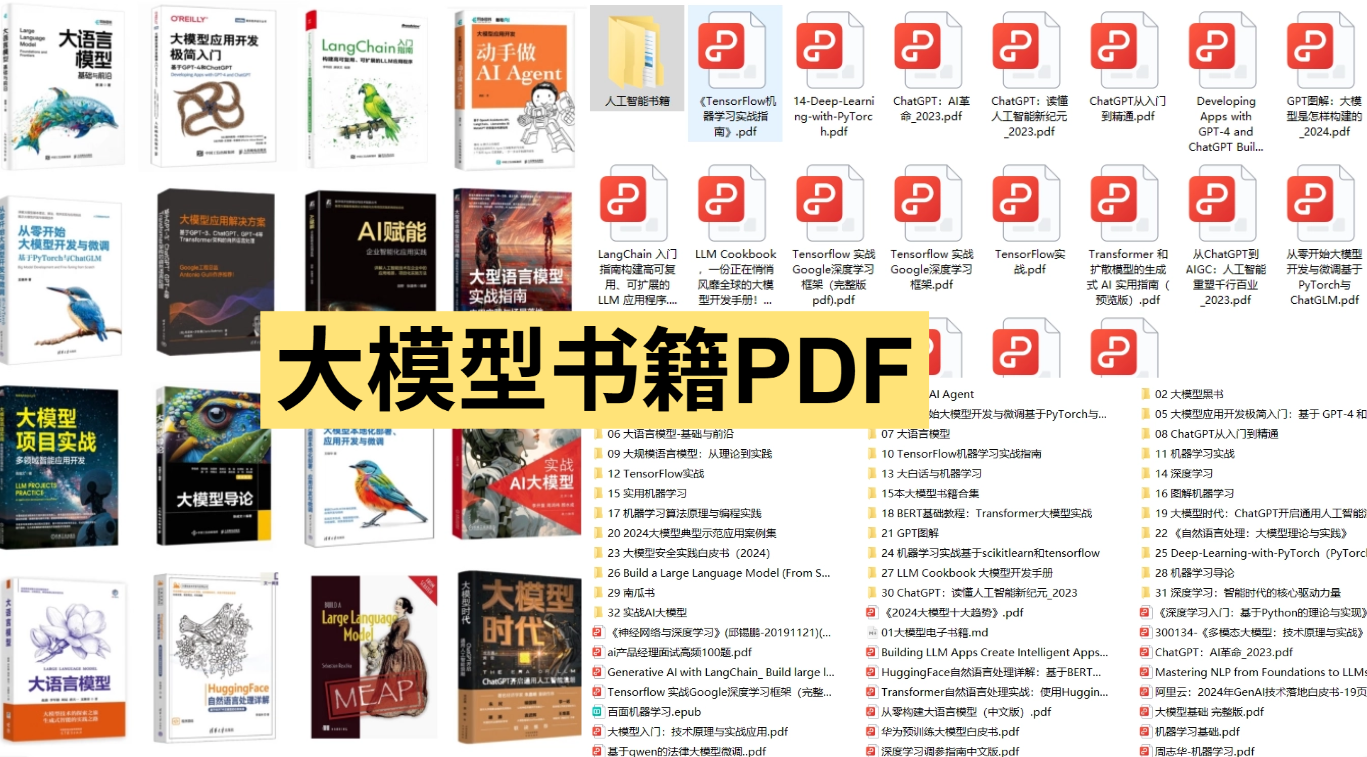
3、 大模型学习书籍&文档
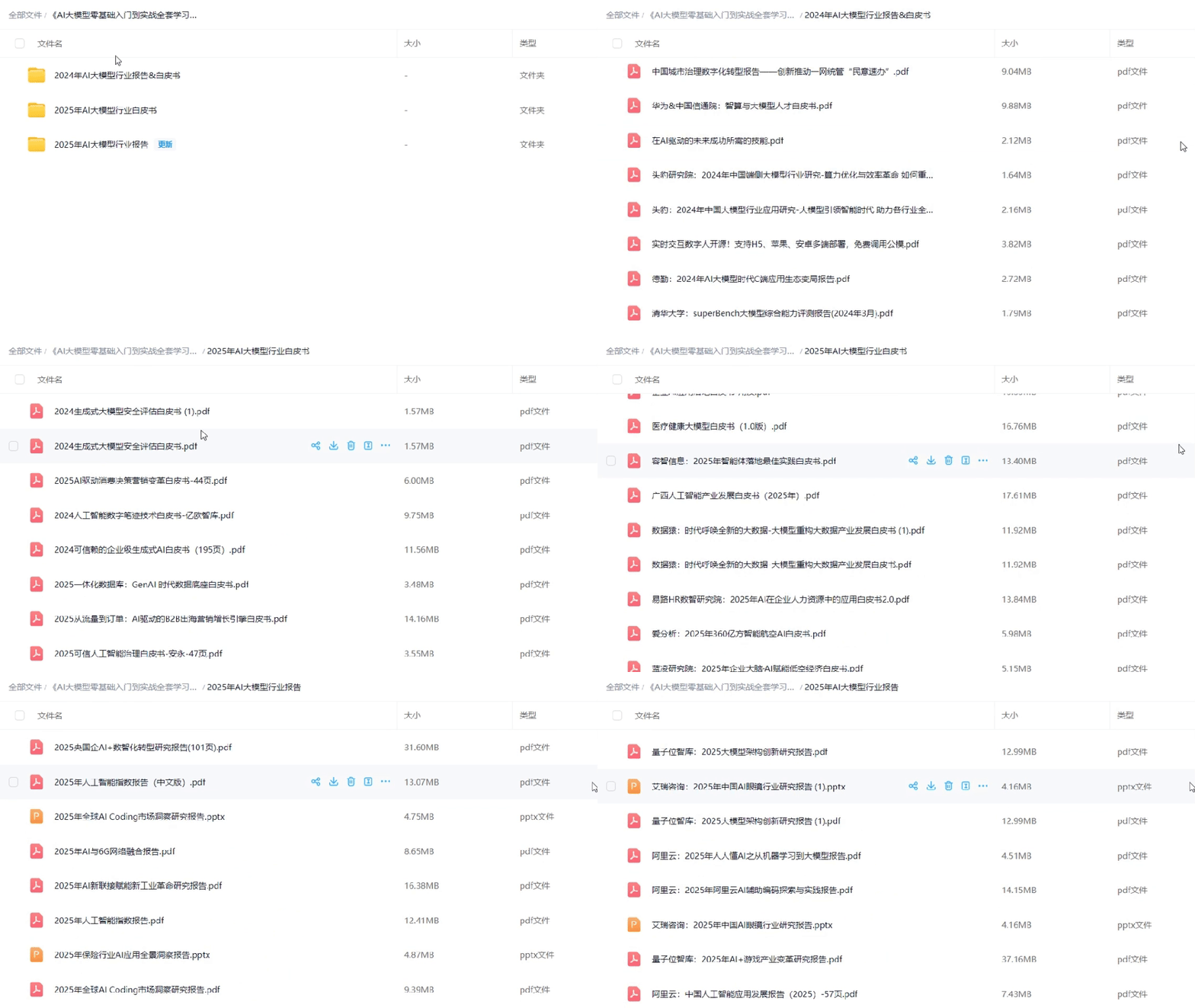
4、 AI大模型最新行业报告
2025最新行业报告,针对不同行业的现状、趋势、问题、机会等进行系统地调研和评估,以了解哪些行业更适合引入大模型的技术和应用,以及在哪些方面可以发挥大模型的优势。
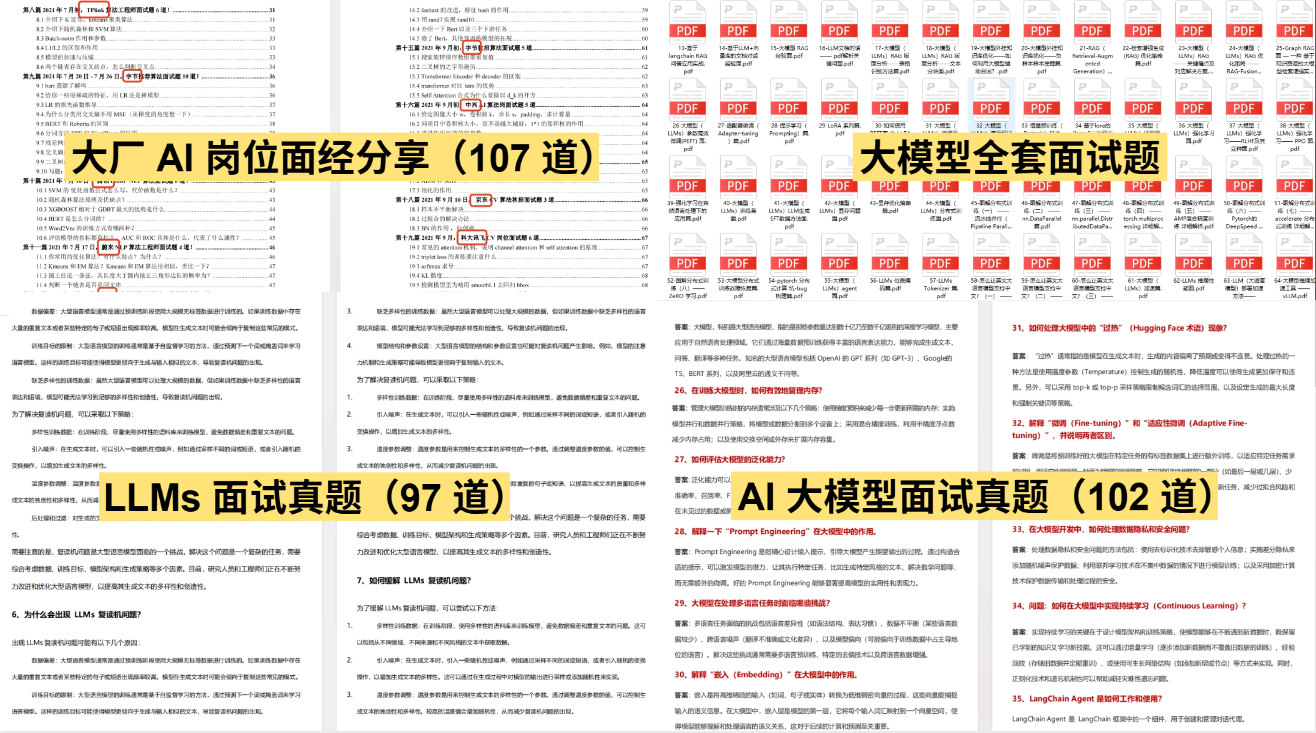
5、大模型大厂面试真题
整理了百度、阿里、字节等企业近三年的AI大模型岗位面试题,涵盖基础理论、技术实操、项目经验等维度,每道题都配有详细解析和答题思路,帮你针对性提升面试竞争力。

6、大模型项目实战&配套源码
学以致用,在项目实战中检验和巩固你所学到的知识,同时为你找工作就业和职业发展打下坚实的基础。
👉学会后的收获:👈
• 基于大模型全栈工程实现(前端、后端、产品经理、设计、数据分析等),通过这门课可获得不同能力;
• 能够利用大模型解决相关实际项目需求: 大数据时代,越来越多的企业和机构需要处理海量数据,利用大模型技术可以更好地处理这些数据,提高数据分析和决策的准确性。因此,掌握大模型应用开发技能,可以让程序员更好地应对实际项目需求;
• 基于大模型和企业数据AI应用开发,实现大模型理论、掌握GPU算力、硬件、LangChain开发框架和项目实战技能, 学会Fine-tuning垂直训练大模型(数据准备、数据蒸馏、大模型部署)一站式掌握;
• 能够完成时下热门大模型垂直领域模型训练能力,提高程序员的编码能力: 大模型应用开发需要掌握机器学习算法、深度学习框架等技术,这些技术的掌握可以提高程序员的编码能力和分析能力,让程序员更加熟练地编写高质量的代码。
- 👇👇扫码免费领取全部内容👇👇
这些资料真的有用吗?
这份资料由我和鲁为民博士(北京清华大学学士和美国加州理工学院博士)共同整理,现任上海殷泊信息科技CEO,其创立的MoPaaS云平台获Forrester全球’强劲表现者’认证,服务航天科工、国家电网等1000+企业,以第一作者在IEEE Transactions发表论文50+篇,获NASA JPL火星探测系统强化学习专利等35项中美专利。本套AI大模型课程由清华大学-加州理工双料博士、吴文俊人工智能奖得主鲁为民教授领衔研发。
资料内容涵盖了从入门到进阶的各类视频教程和实战项目,无论你是小白还是有些技术基础的技术人员,这份资料都绝对能帮助你提升薪资待遇,转行大模型岗位。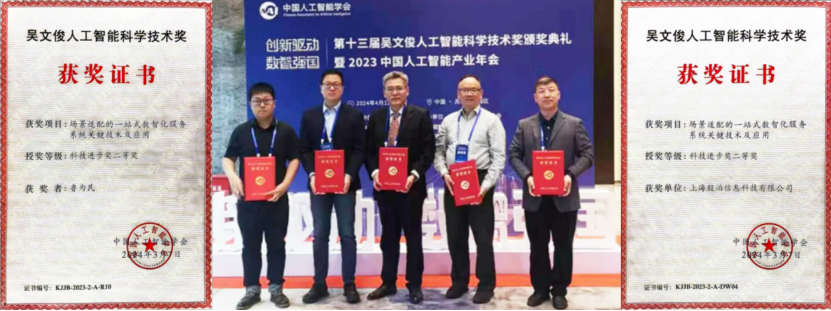

这份完整版的大模型 AI 学习资料已经上传CSDN,朋友们如果需要可以微信扫描下方CSDN官方认证二维码免费领取【保证100%免费】
小龙虾开发者社区是 CSDN 旗下专注 OpenClaw 生态的官方阵地,聚焦技能开发、插件实践与部署教程,为开发者提供可直接落地的方案、工具与交流平台,助力高效构建与落地 AI 应用
更多推荐


 9
9 0
0- 0


 已为社区贡献1条内容

所有评论(0)